Do you love easy, delicious recipes? Join the Food On Paper family and never miss a recipe

Air-Fried onion boil recipe
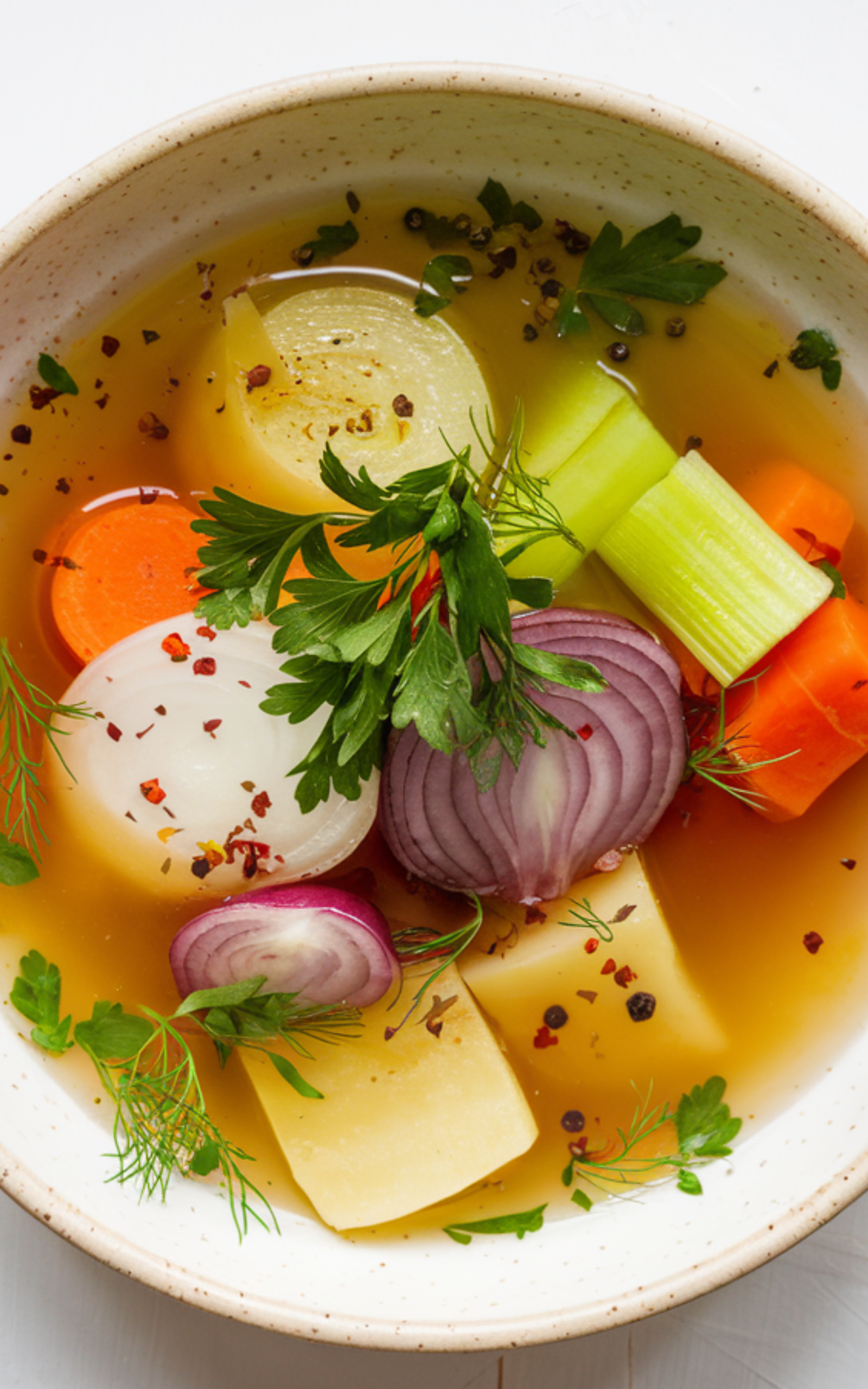
When craving a comforting meal, the onion boil recipe is perfect, offering rich flavors; the onion boil recipe pairs wonderfully with roasted nuts, hummus, cheese cubes, fresh fruit, mini sandwiches, and a refreshing Watermelon Mint Slush; the onion boil transforms simple ingredients, while the onion boil enhances family dinners, making the onion boil recipe unforgettable.
INGREDIENTS
- Yellow onions
- Red onions
- White onions
- Garlic cloves
- Carrots
- Celery stalks
- Potatoes
- Bay leaves
- Thyme
- Parsley
- Black peppercorns
- Salt
- Olive oil
- Butter
- Vegetable broth
- Lemon juice
- White wine
- Paprika
- Chili flakes
- Fresh dill
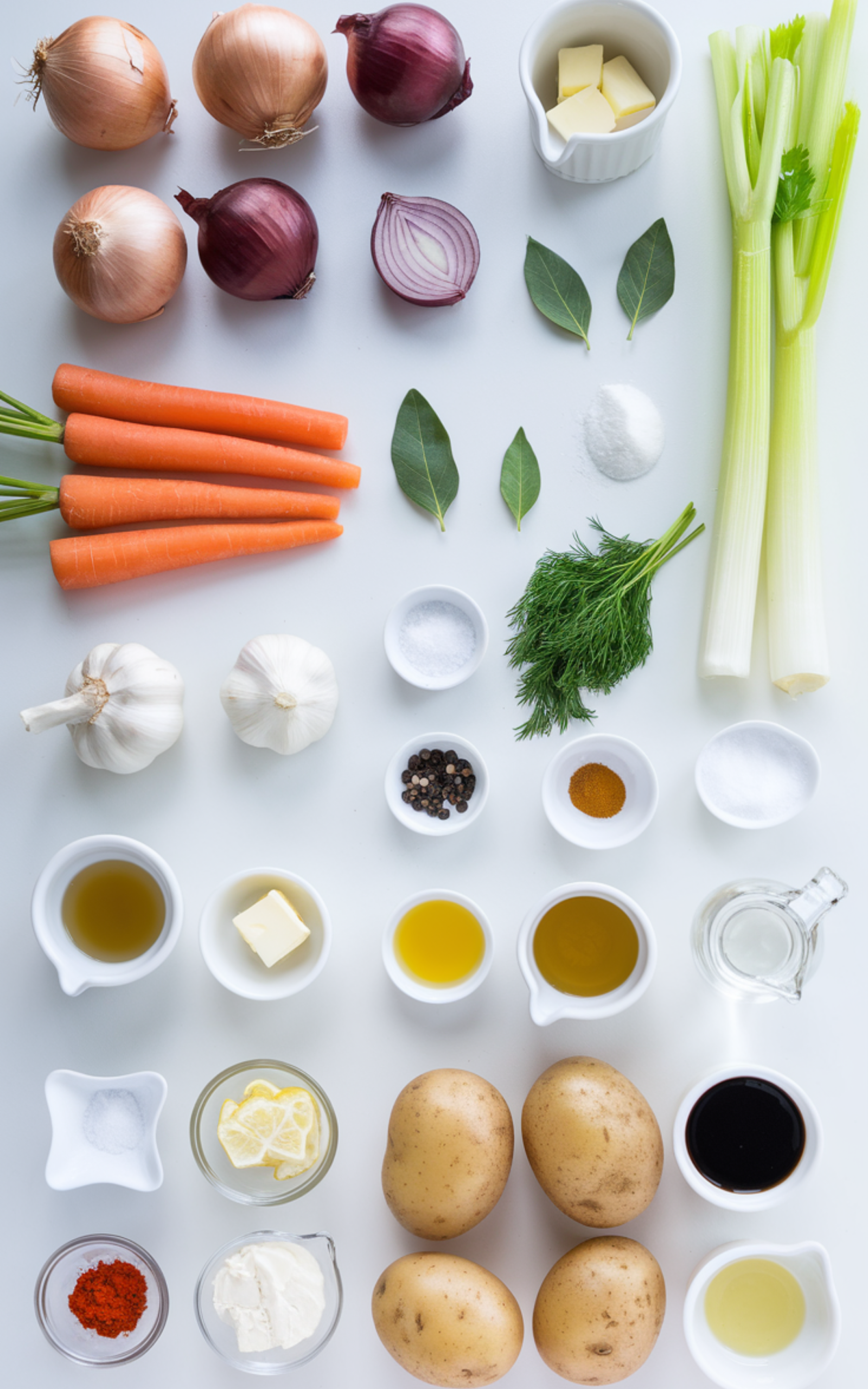
INGREDIENT NOTES
- Yellow onions: Used for their natural sweetness and strong flavor; they form the base of the broth and soften well without overpowering other ingredients.
- Red onions: Add color and mild pungency, enhancing visual appeal and layering subtle flavor; can be swapped with shallots for a delicate taste.
- White onions: Provide balance with sharper flavor notes; complement yellow and red onions to create depth.
- Garlic cloves: Infuse aromatic richness; roasting before boiling mellows sharpness and intensifies sweetness.
- Carrots: Contribute natural sweetness and color; cut uniformly for even cooking.
- Celery stalks: Add herbal undertones and depth; ensure classic aromatic flavor; use leaves for extra aroma.
- Potatoes: Absorb flavors while adding body; waxy potatoes hold shape better than starchy varieties.
- Bay leaves: Impart subtle, earthy aroma; remove before serving to avoid bitterness.
- Thyme: Adds earthy herbal notes; fresh or dried can be used, but fresh delivers brighter flavor.
- Parsley: Provides fresh, green aroma; stir in at the end to preserve brightness.
- Black peppercorns: Add gentle heat and complexity; crush slightly to release oils.
- Salt: Essential for seasoning and enhancing natural flavors; adjust gradually during cooking.
- Olive oil: Sautéing vegetables in olive oil adds richness; extra virgin olive oil adds depth.
- Butter: Adds silky texture and richness; can be replaced with ghee for a nutty flavor.
- Vegetable broth: Forms the flavorful base; low-sodium versions allow better control of seasoning.
- Lemon juice: Balances sweetness and enriches flavor with acidity; add at the end to preserve freshness.
- White wine: Enhances aromatic depth and slightly acidic flavor; optional but recommended for subtle complexity.
- Paprika: Adds warmth, mild spice, and color; smoked paprika gives smoky undertones.
- Chili flakes: Introduce gentle heat; adjust quantity to taste.
- Fresh dill: Final garnish; offers a delicate herbal aroma that complements onions and vegetables.
How to make an onion boil recipe?
Step 1: Prepare the vegetables
Peel and slice all onions into thick wedges to maintain texture; peel garlic cloves, carrots, and potatoes, and cut into even pieces; trim celery and chop consistently to ensure uniform cooking; keep herbs separate for later use.
Step 2: Sauté aromatics
In a large, heavy-bottomed pot, heat olive oil and butter over medium heat; add onions and garlic; sauté until translucent and lightly caramelized, stirring frequently to prevent burning; this step develops the base flavor and sweetness for the onion boil recipe.
Step 3: Add vegetables
Add carrots, celery, and potatoes to the pot; stir well to coat vegetables in oil and butter; cook for 3–5 minutes until slightly softened; this ensures vegetables absorb the aromatics and maintain texture during boiling.
Step 4: Incorporate spices and herbs
Add bay leaves, thyme, paprika, and chili flakes; stir gently to distribute evenly; this enhances the flavor profile and aroma of the onion boil recipe.
Step 5: Deglaze with liquid
Pour in white wine, stirring to lift any caramelized bits from the pot; let it simmer for 2–3 minutes to reduce slightly; add vegetable broth gradually, ensuring all vegetables are submerged; this step intensifies the flavor base while providing enough liquid for even cooking.
Step 6: Simmer the onion boil
Bring the pot to a gentle boil, then reduce to a simmer; cover partially and cook for 25–30 minutes, stirring occasionally; check vegetables for tenderness, particularly potatoes, to prevent overcooking; this slow simmer develops depth of flavor and softens all ingredients uniformly.
Step 7: Season and adjust
Add salt, freshly ground black pepper, and a splash of lemon juice; taste and adjust seasoning incrementally; this ensures balanced flavor without overpowering the natural sweetness of the onions and vegetables.
Step 8: Final touches
Remove bay leaves and thyme stems; stir in fresh parsley and dill just before serving; drizzle a small amount of olive oil for shine and flavor; this final step brightens the dish and enhances presentation for the onion boil recipe.
Kitchen Equipment Needed
- Large heavy-bottomed pot
- Cutting board
- Chef’s knife
- Measuring spoons
- Wooden spoon
- Ladle
- Peeler
- Small bowl for herbs
- Optional: strainer for removing bay leaves
Storage Options
The onion boil recipe can be stored in an airtight container in the refrigerator for up to 3–4 days; allow the dish to cool completely before sealing to prevent condensation and spoilage; reheat gently over low heat to maintain vegetable integrity and flavor; freezing is possible for up to 2 months, though texture may slightly soften.
Other Variations to Try
For variations, substitute some potatoes with sweet potatoes or parsnips to add natural sweetness; include leeks or fennel for unique aromatic layers; add a splash of coconut milk for creaminess or smoked paprika and cayenne for a spicier version; experiment with fresh herbs such as rosemary or tarragon to complement the onion boil recipe, ensuring flavor remains balanced and aromatic.
FAQ
Can I use only one type of onion for this recipe?
Yes, the onion boil recipe works with any single variety; however, combining yellow, red, and white onions gives a more complex and balanced flavor. Using just one may slightly alter the sweetness and depth.
How long should I boil the onion boil recipe?
Simmer for 25–30 minutes until all vegetables are tender; avoid overcooking to prevent mushy texture; check potatoes and carrots for doneness by piercing with a fork.
Can I make this recipe vegan?
Yes, replace butter with plant-based margarine or extra olive oil; ensure broth is vegetable-based; all other ingredients are naturally vegan, keeping the onion boil recipe fully plant-friendly.
Can I prepare this recipe ahead of time?
Yes, prepare up to 24 hours in advance; store in the refrigerator and reheat gently; flavors often deepen overnight, making the onion boil recipe even more flavorful.
What are the best herbs to use in the onion boil recipe?
Fresh thyme, parsley, and dill are ideal; rosemary and tarragon are excellent for variations; dried herbs can be used, but adjust quantities to avoid overpowering the dish.
Can I freeze the onion boil recipe?
Yes, freeze in an airtight container for up to 2 months; thaw overnight in the refrigerator and reheat gently; potatoes may soften slightly, but flavor remains robust.
How can I make the onion boil recipe spicier?
Add chili flakes, cayenne pepper, or smoked paprika during Step 4; adjust gradually to taste; balance heat with lemon juice or a small amount of sugar if desired.
Air-Fried onion boil recipe
Course: DessertCuisine: AmericanDifficulty: EasyServings
6
servingsPrep time
15
minutesCooking time
40
minutesCalories
180
kcalTotal time
55
minutesA flavorful, hearty onion boil recipe combining multiple onions, vegetables, and aromatic herbs for a comforting and easy-to-make main dish.
Ingredients
Yellow onions
Red onions
White onions
Garlic cloves
Carrots
Celery stalks
Potatoes
Bay leaves
Thyme
Parsley
Black peppercorns
Salt
Olive oil
Butter
Vegetable broth
Lemon juice
White wine
Paprika
Chili flakes
Fresh dill
Directions
- Peel and slice all onions into thick wedges to maintain texture; peel garlic cloves, carrots, and potatoes, and cut into even pieces; trim celery and chop consistently to ensure uniform cooking; keep herbs separate for later use.
- In a large, heavy-bottomed pot, heat olive oil and butter over medium heat; add onions and garlic; sauté until translucent and lightly caramelized, stirring frequently to prevent burning; this step develops the base flavor and sweetness for the onion boil recipe.
- Add carrots, celery, and potatoes to the pot; stir well to coat vegetables in oil and butter; cook for 3–5 minutes until slightly softened; this ensures vegetables absorb the aromatics and maintain texture during boiling.
- Add bay leaves, thyme, paprika, and chili flakes; stir gently to distribute evenly; this enhances the flavor profile and aroma of the onion boil recipe.
- Pour in white wine, stirring to lift any caramelized bits from the pot; let it simmer for 2–3 minutes to reduce slightly; add vegetable broth gradually, ensuring all vegetables are submerged; this step intensifies the flavor base while providing enough liquid for even cooking.
- Bring the pot to a gentle boil, then reduce to a simmer; cover partially and cook for 25–30 minutes, stirring occasionally; check vegetables for tenderness, particularly potatoes, to prevent overcooking; this slow simmer develops depth of flavor and softens all ingredients uniformly.
- Add salt, freshly ground black pepper, and a splash of lemon juice; taste and adjust seasoning incrementally; this ensures balanced flavor without overpowering the natural sweetness of the onions and vegetables.
- Remove bay leaves and thyme stems; stir in fresh parsley and dill just before serving; drizzle a small amount of olive oil for shine and flavor; this final step brightens the dish and enhances presentation for the onion boil recipe.