Do you love easy, delicious recipes? Join the Food On Paper family and never miss a recipe

best homemade rolls
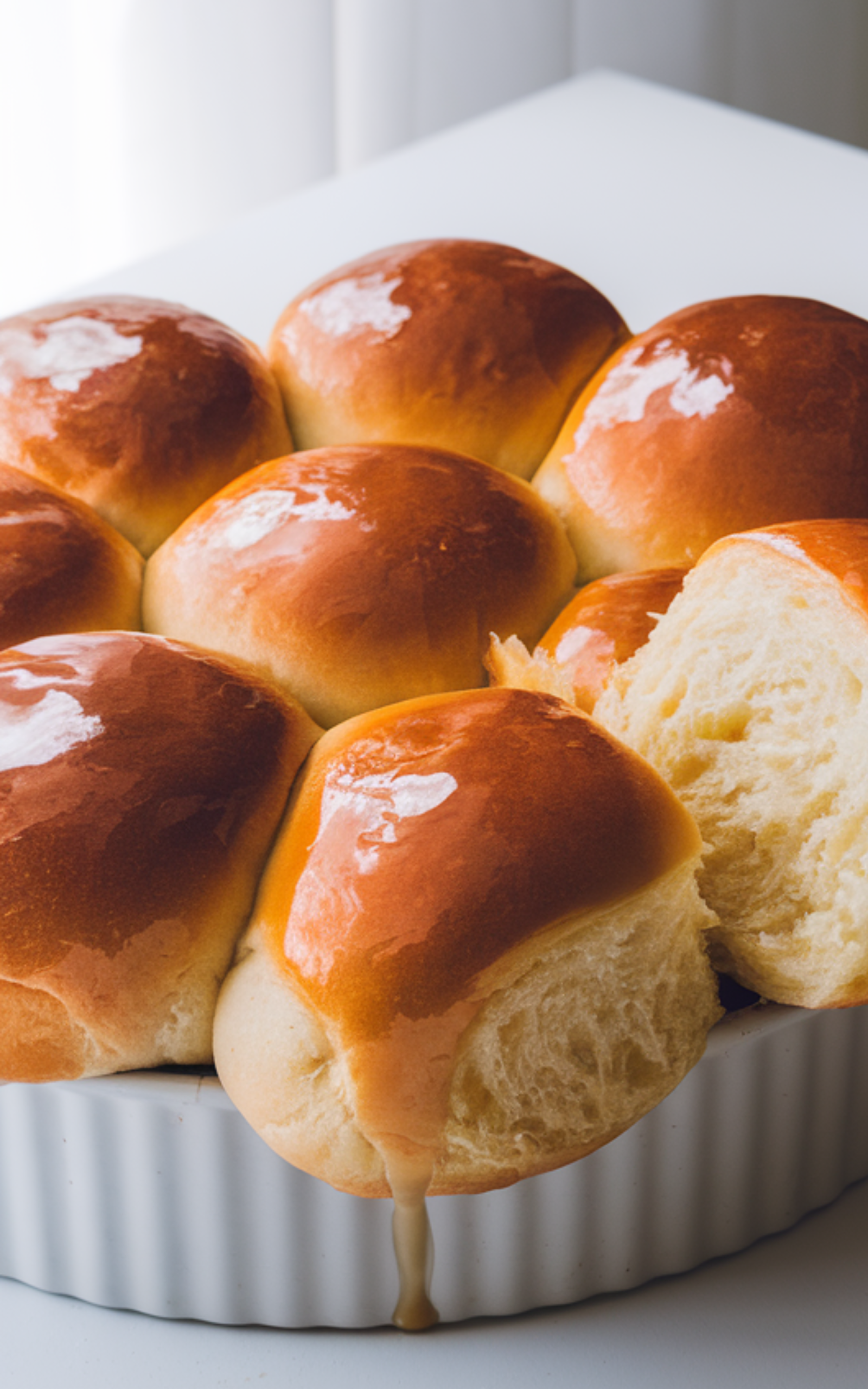
I’ve made these Best Homemade Rolls more times than I can count, especially on busy Sunday dinners when my kids hover near the oven waiting for that warm, buttery smell. Best Homemade Rolls are my go-to easy comfort bread, perfect alongside my Creamy Chicken Pot Pie, Slow Cooker Beef Stew, or even as sliders with my Honey Garlic Meatballs. Every time I bake Best Homemade Rolls, they disappear before I can even sit down.
Ingredients
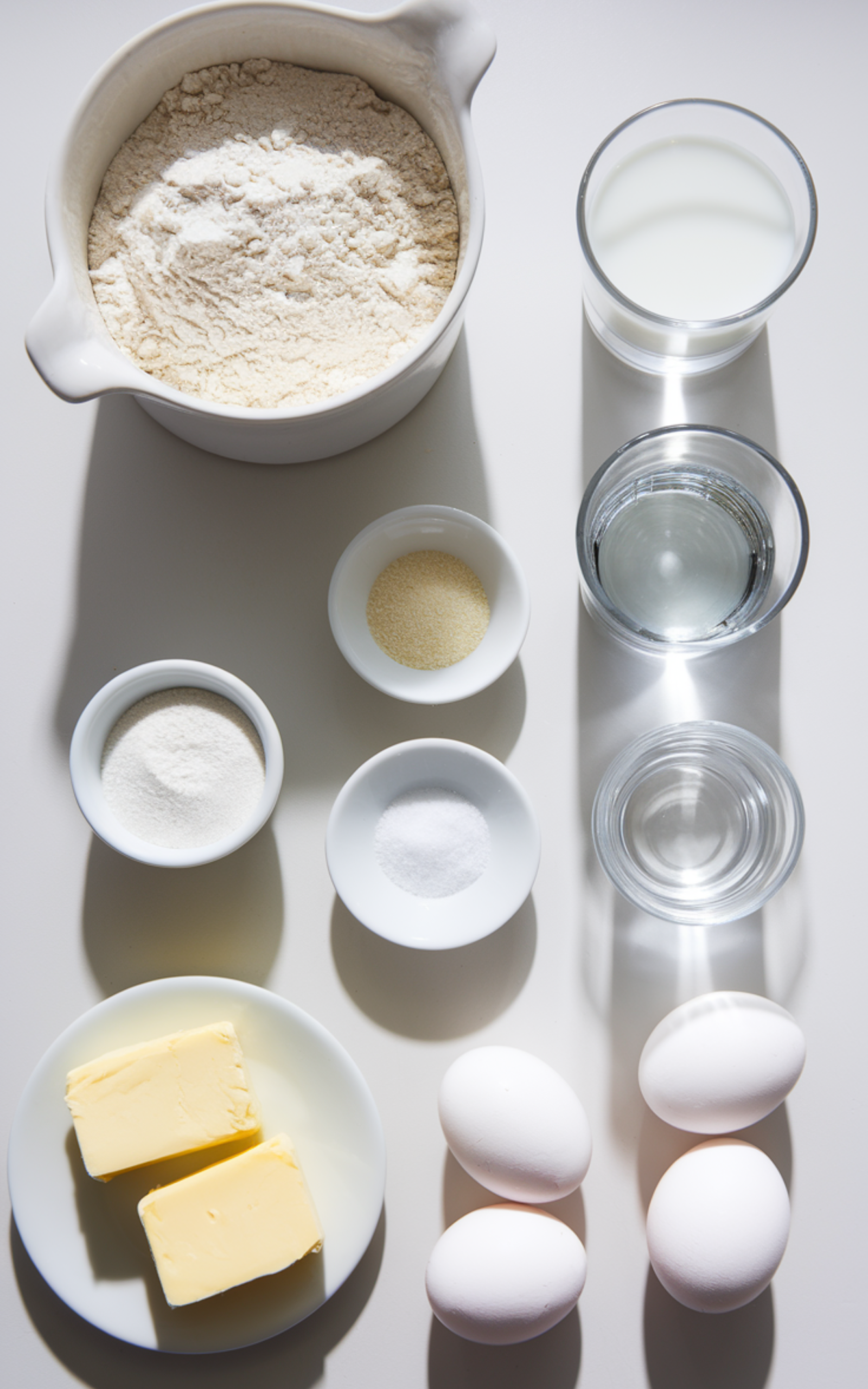
- All-purpose flour
- Granulated sugar
- Active dry yeast
- Warm milk
- Warm water
- Unsalted butter
- Eggs
- Salt
Ingredient Notes
- All-Purpose Flour: Provides structure and chew; bread flour can be substituted for slightly chewier rolls with more gluten development.
- Granulated Sugar: Feeds the yeast and adds a subtle sweetness; honey can be used as a natural alternative.
- Active Dry Yeast: Leavens the dough and creates a light, fluffy texture; instant yeast may be substituted and mixed directly with dry ingredients.
- Warm Milk: Adds richness and softness; whole milk works best, but 2% can be used in a pinch.
- Warm Water: Helps activate the yeast; the temperature should be warm but not hot to avoid killing the yeast.
- Unsalted Butter: Adds flavor and tenderness; salted butter may be used by slightly reducing the added salt.
- Eggs: Provide structure, richness, and color; room temperature eggs incorporate more evenly.
- Salt: Enhances flavor and controls yeast activity; do not skip or reduce significantly.
How to Make the Best Homemade Rolls?
Step 1:
In a large mixing bowl, combine warm water, warm milk, sugar, and active dry yeast. Stir gently and let the mixture sit for about 5–10 minutes until it becomes foamy. This step confirms the yeast is active. If no foam appears, the yeast may have expired, or the liquid temperature may have been too hot or too cold. Always check that your liquids feel warm to the touch, not hot.
Step 2:
Add softened butter, eggs, and salt to the yeast mixture. Stir until combined. Gradually incorporate the flour, one cup at a time, mixing until a soft dough forms. The dough should pull away from the sides of the bowl but still feel slightly tacky. Avoid adding too much flour, which can make the best homemade rolls dense instead of soft.
Step 3:
Transfer the dough to a lightly floured surface and knead for about 8–10 minutes, or until smooth and elastic. Proper kneading develops gluten, which gives the rolls structure and a fluffy interior. If using a stand mixer, knead with the dough hook on medium speed for about 6–7 minutes. The dough should spring back lightly when pressed.
Step 4:
Place the kneaded dough in a lightly greased bowl. Cover with plastic wrap or a clean kitchen towel. Allow it to rise in a warm, draft-free place for about 1–1.5 hours, or until doubled in size. This first rise builds flavor and texture. Avoid rushing this step; proper rising is key to achieving truly soft, best homemade rolls.
Step 5:
Gently punch down the risen dough to release excess air. Divide the dough into equal portions, typically 12 to 15 pieces, depending onthe desired size. Shape each portion into a smooth ball by tucking the edges underneath and rolling gently against the counter to create surface tension.
Step 6:
Arrange the shaped dough balls in a greased baking dish, spacing them evenly so they touch. Cover and allow them to rise again for about 30–45 minutes until puffy and nearly doubled. This second rise ensures the best homemade rolls bake up light and tender rather than compact.
Step 7:
Preheat the oven to 375°F. Once the rolls have risen, bake for 18–22 minutes or until golden brown on top. Avoid overbaking, which can dry them out. If the tops brown too quickly, tent loosely with foil during the final minutes of baking.
Step 8:
Remove from the oven and brush immediately with melted butter for extra softness and flavor. Let cool slightly before serving. For the ultimate texture, serve warm when the best homemade rolls are at their fluffiest.
Kitchen Equipment Needed
• Large mixing bowl
• Measuring cups
• Measuring spoons
• Wooden spoon or silicone spatula
• Stand mixer with dough hook (optional)
• Clean kitchen towel or plastic wrap
• 9×13-inch baking dish
• Oven
Pro Tips for Best Results
After years of baking the best homemade rolls for holidays and weeknight dinners, I have learned that temperature control is everything. Use fresh yeast and test it before mixing. Do not rush either rise, as proper fermentation builds flavor and texture. Slightly under-flouring the dough keeps the rolls soft. Always bake just until golden, then brush with butter immediately to lock in moisture.
Storage, Freezing, and Reheating
Store the best homemade rolls in an airtight container at room temperature for up to three days. For longer storage, freeze fully cooled rolls in a freezer-safe bag for up to three months. Thaw at room temperature and warm in a 300°F oven for about 8–10 minutes to refresh softness. Avoid microwaving for extended periods, as it can make them chewy.
Recipe Variations and Substitutions
Best homemade rolls can easily be customized to fit your family’s preferences. Substitute half the all-purpose flour with whole wheat flour for a heartier texture. Add fresh herbs like rosemary or thyme for a savory twist. For a slightly sweet version perfect for holiday dinners, increase sugar slightly or brush with honey butter. Dairy-free households can use plant-based milk and vegan butter with excellent results.
FAQ
Can I make the best homemade rolls ahead of time?
Yes, you can prepare the dough and complete the first rise, then refrigerate it overnight. Allow the dough to come to room temperature before shaping and completing the second rise.
Why didn’t my rolls rise properly?
Inactive yeast or incorrect liquid temperature are common causes. Ensure your yeast is fresh and liquids are warm, not hot.
Can I use instant yeast instead of active dry yeast?
Yes, instant yeast can be mixed directly with dry ingredients. You may reduce the rise time slightly, but allow the dough to double fully.
How do I make the best homemade rolls extra fluffy?
Avoid adding too much flour and allow full rise times. Proper kneading and not overbaking also help maintain softness.
Can I freeze the dough instead of baked rolls?
Yes, freeze shaped dough balls after the first rise. Thaw overnight in the refrigerator, then allow to rise before baking.
What’s the best way to reheat dinner rolls?
Warm them in a low oven for several minutes. This restores softness without drying them out.
Can I make these rolls without eggs?
Yes, you can substitute eggs with unsweetened applesauce or a commercial egg replacer, though the texture may be slightly less rich.
best homemade rolls
Course: SnacksCuisine: AmericanDifficulty: EasyServings
12
servingsPrep time
20
minutesCooking time
20
minutesCalories
190
kcalTotal time
40
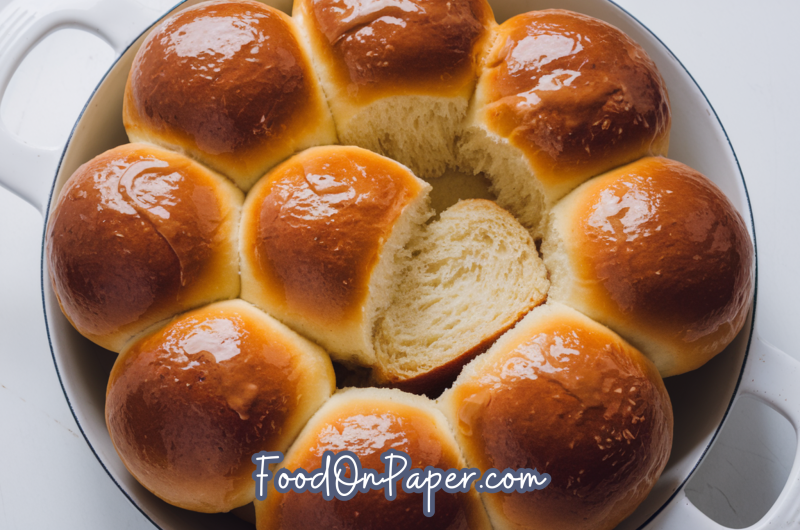
minutesThese best homemade rolls are soft, fluffy, and perfectly golden. Made with simple pantry staples, they bake up tender and rich every time. Ideal for holidays, weeknight dinners, or make-ahead meal planning.
Ingredients
All-purpose flour
Granulated sugar
Active dry yeast
Warm milk
Warm water
Unsalted butter
Eggs
Salt
Directions
- In a large mixing bowl, combine warm water, warm milk, sugar, and active dry yeast. Stir gently and let the mixture sit for about 5–10 minutes until it becomes foamy. This step confirms the yeast is active. If no foam appears, the yeast may have expired, or the liquid temperature may have been too hot or too cold. Always check that your liquids feel warm to the touch, not hot.
- Add softened butter, eggs, and salt to the yeast mixture. Stir until combined. Gradually incorporate the flour, one cup at a time, mixing until a soft dough forms. The dough should pull away from the sides of the bowl but still feel slightly tacky. Avoid adding too much flour, which can make the best homemade rolls dense instead of soft.
- Transfer the dough to a lightly floured surface and knead for about 8–10 minutes, or until smooth and elastic. Proper kneading develops gluten, which gives the rolls structure and a fluffy interior. If using a stand mixer, knead with the dough hook on medium speed for about 6–7 minutes. The dough should spring back lightly when pressed.
- Place the kneaded dough in a lightly greased bowl. Cover with plastic wrap or a clean kitchen towel. Allow it to rise in a warm, draft-free place for about 1–1.5 hours, or until doubled in size. This first rise builds flavor and texture. Avoid rushing this step; proper rising is key to achieving truly soft, best homemade rolls.
- Gently punch down the risen dough to release excess air. Divide the dough into equal portions, typically 12 to 15 pieces, depending onthe desired size. Shape each portion into a smooth ball by tucking the edges underneath and rolling gently against the counter to create surface tension.
- Arrange the shaped dough balls in a greased baking dish, spacing them evenly so they touch. Cover and allow them to rise again for about 30–45 minutes until puffy and nearly doubled. This second rise ensures the best homemade rolls bake up light and tender rather than compact.
- Preheat the oven to 375°F. Once the rolls have risen, bake for 18–22 minutes or until golden brown on top. Avoid overbaking, which can dry them out. If the tops brown too quickly, tent loosely with foil during the final minutes of baking.
- Remove from the oven and brush immediately with melted butter for extra softness and flavor. Let cool slightly before serving. For the ultimate texture, serve warm when the best homemade rolls are at their fluffiest.