
Do you love easy, delicious recipes? Join the Food On Paper family and never miss a recipe

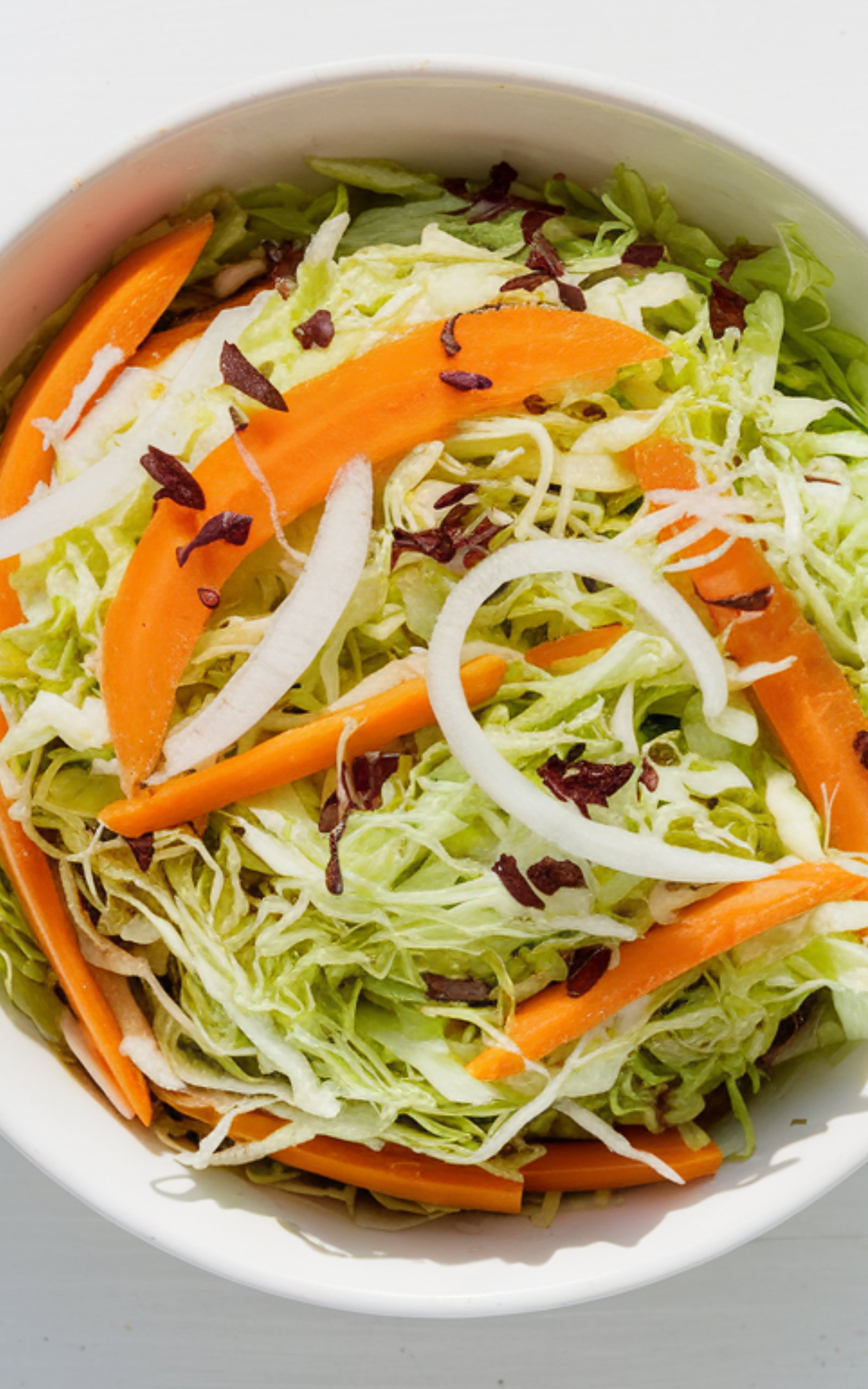
curtido
I started making Curtido years ago after a family dinner that needed something bright and crunchy, and now it lives in my fridge weekly. Curtido is my go-to for busy nights and cozy weekends alike. I love Curtido with Classic Cheese Pupusas, Grilled Chicken Tacos, or Tuna Salad Sandwich for an easy, tangy contrast.
Ingredients
- Green cabbage
- Carrots
- White onion
- Oregano
- Red pepper flakes
- Apple cider vinegar
- Water
- Salt
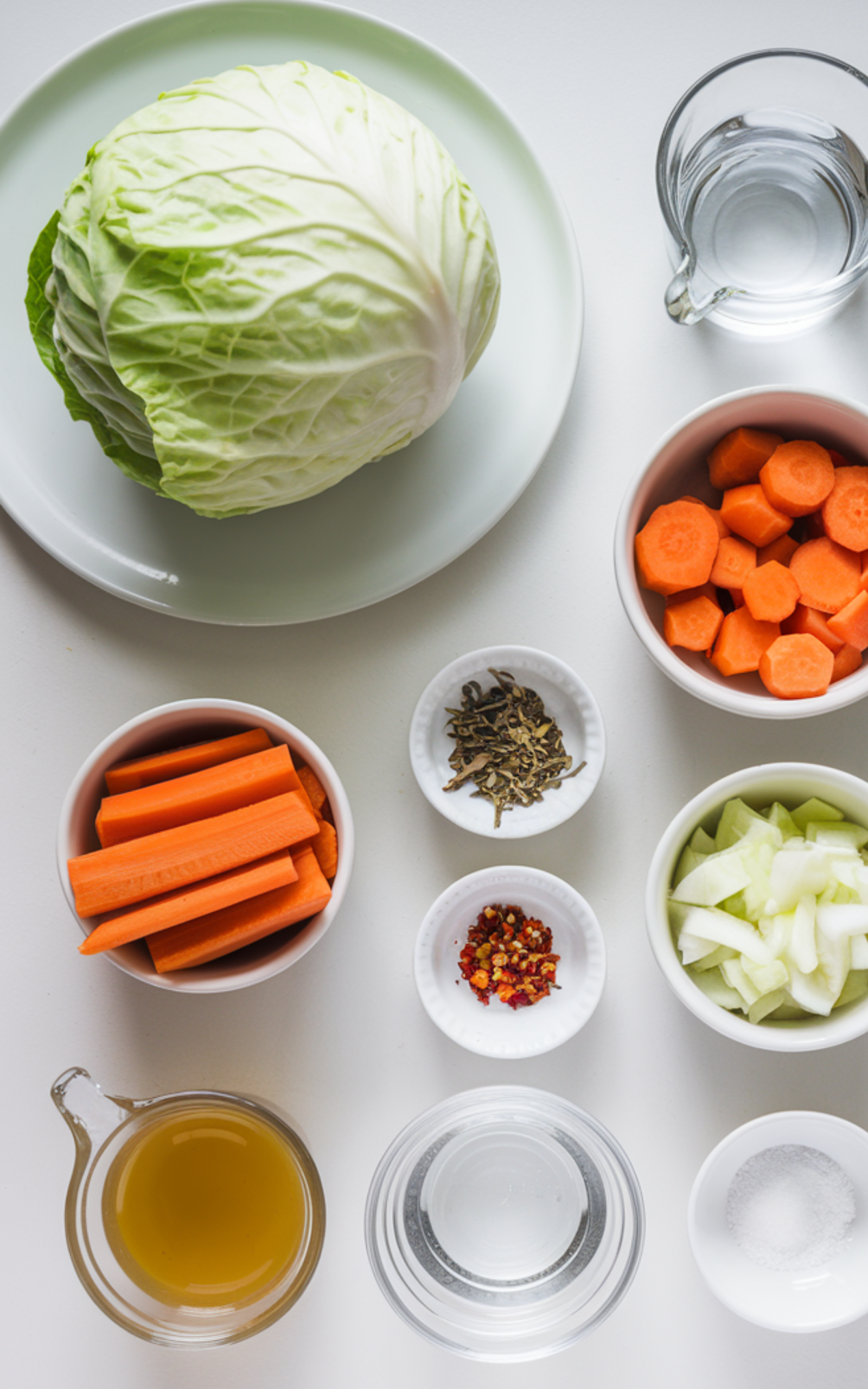
Ingredient Notes
- Green cabbage: The base of curtido, providing crunch, structure, and the classic slightly sweet cabbage flavor that balances the acidity of the vinegar.
- Carrots: Add subtle sweetness, color, and texture contrast; they also soften slightly during fermentation, rounding out the bite.
- White onion: Brings sharpness and savory depth; thin slicing helps it mellow quickly without overpowering the curtido.
- Oregano: Traditionally dried Mexican or Salvadoran oregano is used; it adds earthy, herbal notes that define authentic curtido flavor.
- Red pepper flakes: Optional but classic for gentle heat; adjust to taste or omit for a mild version suitable for all eaters.
- Apple cider vinegar: Provides acidity and tang; white vinegar can be substituted, but apple cider vinegar offers a softer, rounder flavor.
- Water: Dilutes the vinegar slightly to prevent harshness and allows the vegetables to soften and pickle evenly.
- Salt: Essential for seasoning and light fermentation; fine sea salt or kosher salt works best for even distribution.
How to Make Curtido?
Step 1:
Prepare the vegetables by removing any damaged outer leaves from the cabbage, cutting it into quarters, removing the core, and slicing it very thin using a sharp knife or mandoline; grate or julienne the carrots, slice the white onion as thinly as possible, and place all vegetables into a large mixing bowl, keeping cuts uniform so the curtido pickles evenly and develops a consistent texture.
Step 2:
Sprinkle the salt evenly over the vegetables and use clean hands to gently massage and toss them for two to three minutes until the cabbage begins to release moisture and slightly soften; this step is crucial because it seasons the vegetables from the inside and helps create the light brine that defines good curtido, so do not rush or skip it.
Step 3:
Add the oregano and red pepper flakes to the bowl and toss thoroughly to distribute them evenly throughout the vegetables; make sure the spices are not clumped in one area, as even seasoning ensures balanced flavor in every bite of the curtido.
Step 4:
In a separate container, combine the apple cider vinegar and water, then pour the mixture over the vegetables; toss again until everything is well coated, checking that the liquid begins to pool slightly at the bottom of the bowl, which indicates proper coverage for pickling.
Step 5:
Taste the curtido at this stage and adjust seasoning if needed by adding a small pinch of salt or a splash of vinegar, keeping in mind that the flavors will intensify as it rests; avoid over-seasoning now, as the curtido will become more tangy with time.
Step 6:
Transfer the curtido and its liquid to a clean glass jar or non-reactive container, pressing the vegetables down gently so they are mostly submerged; cover loosely with a lid or cloth and allow it to rest at room temperature for at least two hours for a quick version, or refrigerate after resting for a more mellow, crisp result.
Step 7:
For traditional flavor, let the curtido ferment lightly in the refrigerator for one to three days before serving, stirring once daily to redistribute the vegetables; once it reaches your preferred level of tang and softness, seal the container tightly and keep chilled until ready to use.
Kitchen Equipment Needed
- Large mixing bowl
- Sharp chef’s knife or mandoline
- Box grater or julienne peeler
- Measuring cup
- Glass jar or non-reactive container
- Tongs or clean hands
Pro Tips for Best Results
For the best curtido, slice the cabbage as thinly and evenly as possible, since fine shreds absorb flavor faster and create the signature tender-crisp texture; always massage the salt thoroughly into the vegetables to draw out moisture naturally, avoid metal containers during resting to prevent off flavors, and give the curtido at least overnight refrigeration for a more rounded, authentic taste that pairs beautifully with rich dishes.
Storage, Freezing, and Reheating
Curtido should be stored in an airtight glass container in the refrigerator, where it will stay fresh and flavorful for up to two weeks, becoming slightly more tangy over time; freezing is not recommended because it destroys the crisp texture of the vegetables, and reheating is unnecessary since curtido is always served cold or at room temperature for maximum crunch and brightness.
Recipe Variations and Substitutions
Curtido is highly adaptable for US households, and you can easily customize it by adding sliced jalapeños for extra heat, using red cabbage for a colorful twist, swapping apple cider vinegar with white vinegar or rice vinegar for a lighter profile, or including thinly sliced bell peppers for sweetness; for a low-sodium option, reduce the salt slightly and extend the resting time to develop flavor naturally without compromising texture.
FAQ
What is curtido traditionally served with?
Curtido is most commonly served alongside pupusas, where its acidity and crunch balance the richness of cheese, beans, or meat fillings, but it also works well with grilled meats, tacos, roasted vegetables, and sandwiches.
How long does curtido need to rest before eating?
Curtido can be eaten after about two hours for a fresh, crunchy version, but resting it overnight in the refrigerator produces a more traditional, well-rounded flavor.
Is curtido the same as coleslaw?
Curtido is not the same as coleslaw, as it is vinegar-based rather than creamy, includes oregano and sometimes chili flakes, and develops a lightly fermented, tangy profile.
Can I make curtido without onions?
Yes, you can omit the onions if needed, though they add important sharpness; substituting scallions or shallots can provide a milder alternative.
Why is my curtido too sour?
Curtido may taste too sour if too much vinegar is used or if it rests for an extended time; adding a bit of fresh cabbage or carrots can help rebalance the acidity.
Does curtido ferment like sauerkraut?
Curtido undergoes a very light fermentation, especially when rested for a day or two, but it is quicker and milder than traditional sauerkraut.
Can curtido be made spicy?
Yes, curtido can easily be made spicy by increasing red pepper flakes or adding fresh sliced jalapeños or serrano peppers to suit your heat preference.
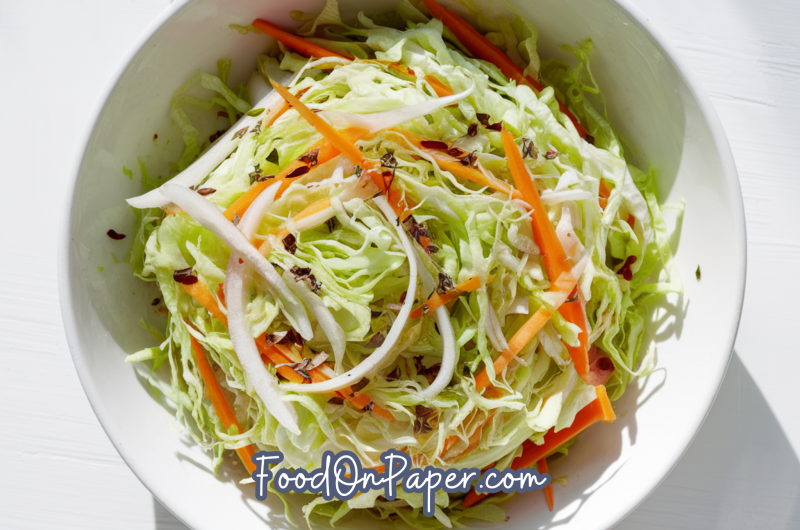
curtido
Course: DinnerDifficulty: EasyServings
8
servingsPrep time
20
minutesCooking timeminutes
Calories
40
kcalTotal time
20
minutesCurtido is a tangy Salvadoran cabbage slaw made with vinegar, carrots, onion, and oregano. Crisp, lightly fermented, and refreshing, it is the perfect balance to rich and savory dishes.
Ingredients
Green cabbage
Carrots
White onion
Oregano
Red pepper flakes
Apple cider vinegar
Water
Salt
Directions
- Prepare the vegetables by removing any damaged outer leaves from the cabbage, cutting it into quarters, removing the core, and slicing it very thin using a sharp knife or mandoline; grate or julienne the carrots, slice the white onion as thinly as possible, and place all vegetables into a large mixing bowl, keeping cuts uniform so the curtido pickles evenly and develops a consistent texture.
- Sprinkle the salt evenly over the vegetables and use clean hands to gently massage and toss them for two to three minutes until the cabbage begins to release moisture and slightly soften; this step is crucial because it seasons the vegetables from the inside and helps create the light brine that defines good curtido, so do not rush or skip it.
- Add the oregano and red pepper flakes to the bowl and toss thoroughly to distribute them evenly throughout the vegetables; make sure the spices are not clumped in one area, as even seasoning ensures balanced flavor in every bite of the curtido.
- In a separate container, combine the apple cider vinegar and water, then pour the mixture over the vegetables; toss again until everything is well coated, checking that the liquid begins to pool slightly at the bottom of the bowl, which indicates proper coverage for pickling.
- Taste the curtido at this stage and adjust seasoning if needed by adding a small pinch of salt or a splash of vinegar, keeping in mind that the flavors will intensify as it rests; avoid over-seasoning now, as the curtido will become more tangy with time.
- Transfer the curtido and its liquid to a clean glass jar or non-reactive container, pressing the vegetables down gently so they are mostly submerged; cover loosely with a lid or cloth and allow it to rest at room temperature for at least two hours for a quick version, or refrigerate after resting for a more mellow, crisp result.
- For traditional flavor, let the curtido ferment lightly in the refrigerator for one to three days before serving, stirring once daily to redistribute the vegetables; once it reaches your preferred level of tang and softness, seal the container tightly and keep chilled until ready to use.