Do you love easy, delicious recipes? Join the Food On Paper family and never miss a recipe

garlic knots
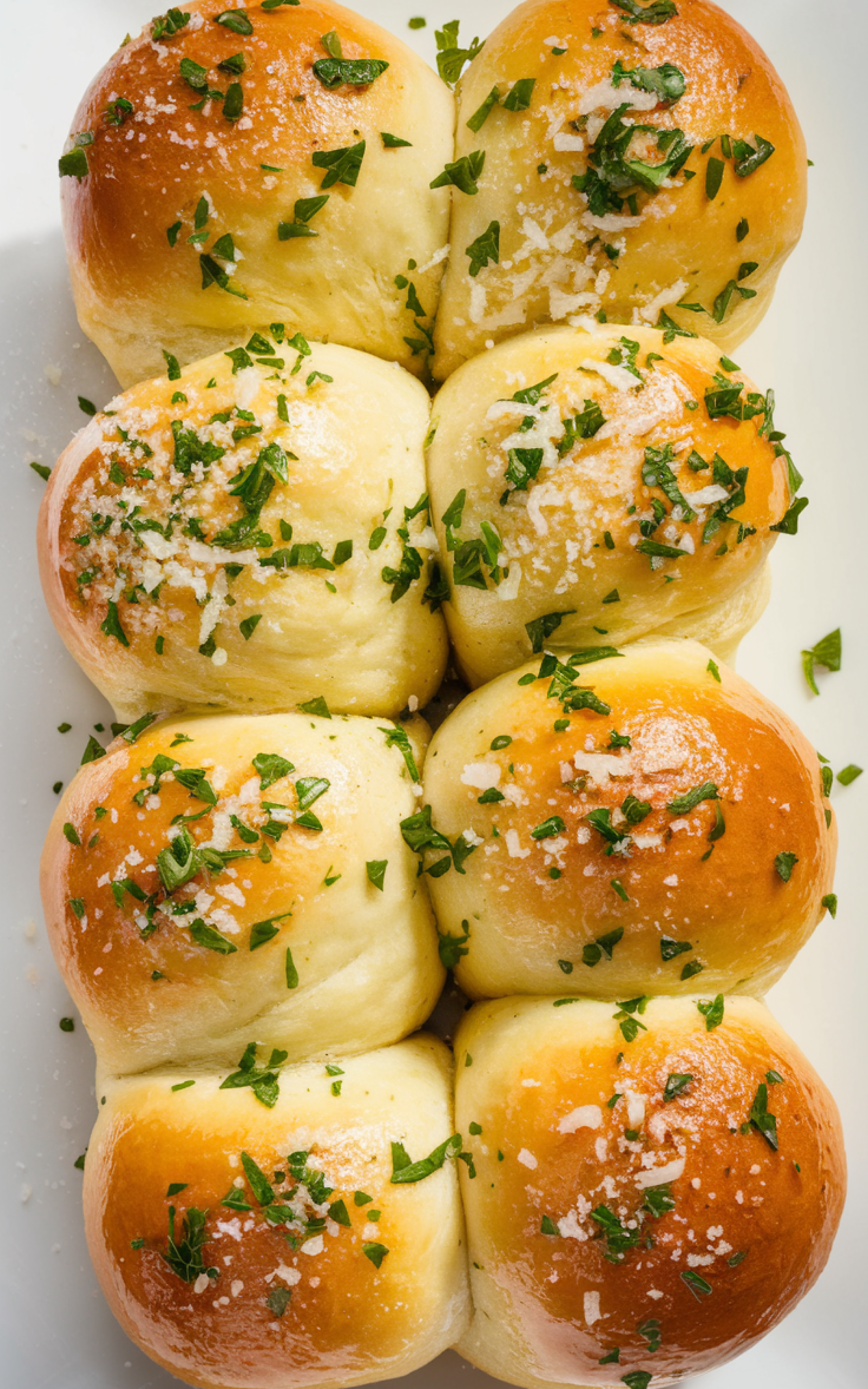
I’ve made garlic knots more times than I can count, especially on busy weeknights when I need a cozy snack everyone loves. These garlic knots disappear fast in my house. I’ve served garlic knots with Sweet Chili Cheesy Fries, Easy Caesar Salad, and even warm marinara for dipping, and every time they turn simple dinners into something special.
Ingredients
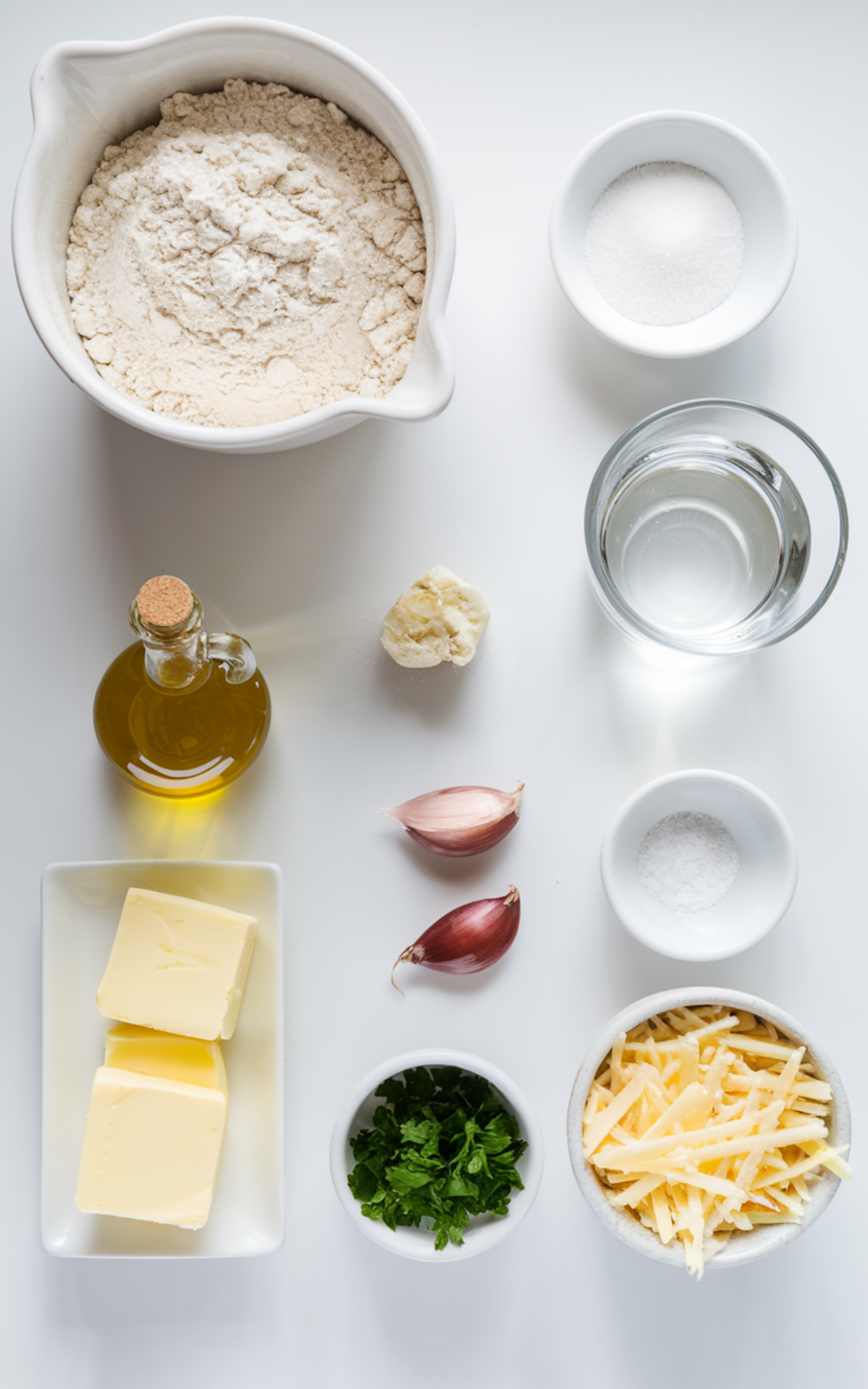
- All-purpose flour
- Granulated sugar
- Active dry yeast
- Warm water
- Olive oil
- Salt
- Unsalted butter
- Fresh garlic
- Fresh parsley
- Grated Parmesan cheese
Ingredient Notes
- All-Purpose Flour: Provides structure and chewiness; bread flour can be substituted for a slightly chewier texture, but all-purpose flour keeps garlic knots soft and tender.
- Granulated Sugar: Feeds the yeast and encourages proper browning; honey may be used as an alternative in small amounts.
- Active Dry Yeast: Leavening agent that creates light, airy garlic knots; instant yeast can be substituted without proofing adjustments.
- Warm Water: Activates the yeast; aim for about 105–110°F to avoid killing the yeast or slowing fermentation.
- Olive Oil: Adds flavor and tenderness to the dough; neutral oils work in a pinch, but olive oil enhances classic Italian flavor.
- Salt: Balances flavor and strengthens gluten structure; do not skip or reduce significantly.
- Unsalted Butter: Forms the rich garlic coating; salted butter can be used, but reduce added salt accordingly.
- Fresh Garlic: Essential for bold garlic flavor; freshly minced garlic provides better aroma than jarred alternatives.
- Fresh Parsley: Adds color and brightness; dried parsley can be used, but fresh offers superior flavor and appearance.
- Grated Parmesan Cheese: Adds savory depth; freshly grated melts and adheres better than pre-shredded varieties.
How to Make Garlic Knots?
Step 1: Activate the Yeast
In a large mixing bowl, combine warm water, granulated sugar, and active dry yeast, then stir gently and allow the mixture to sit for 5–10 minutes until foamy; if bubbles do not form, the yeast may have expired or the water is too hot or too cool, and you should start again to ensure properly risen garlic knots.
Step 2: Prepare the Dough
Add olive oil, salt, and flour gradually to the yeast mixture, stirring until a shaggy dough forms. Then knead on a lightly floured surface for about 8–10 minutes until smooth and elastic. Avoid adding too much extra flour, as this can make garlic knots dense instead of soft.
Step 3: First Rise
Place the dough in a lightly oiled bowl, turning once to coat, cover with a clean towel or plastic wrap, and let rise in a warm, draft-free area for about 1–1½ hours or until doubled in size; under-proofing will result in tight knots, while over-proofing may cause collapse.
Step 4: Shape the Knots
Punch down the dough gently to release air, divide into equal portions, roll each piece into a rope about 8 inches long, and tie into a simple knot, tucking the ends underneath; consistent sizing ensures even baking and uniform garlic knots.
Step 5: Second Rise
Arrange the shaped knots on a parchment-lined baking sheet, leaving space between them, then cover lightly and allow to rise again for 20–30 minutes; this second rise improves softness and creates a lighter interior texture.
Step 6: Bake
Preheat the oven to 400°F, then bake the garlic knots for 15–18 minutes, or until golden brown on top. Rotate the pan halfway through baking for an even color, and avoid overbaking to maintain a soft center.
Step 7: Prepare the Garlic Butter
While the knots bake, melt unsalted butter in a small saucepan over low heat, add freshly minced garlic, and cook gently for 1–2 minutes until fragrant but not browned, as burnt garlic tastes bitter and can overpower the flavor of garlic knots.
Step 8: Coat and Finish
Remove the garlic knots from the oven and immediately brush generously with warm garlic butter, then sprinkle with chopped fresh parsley and grated Parmesan cheese; tossing them gently in a large bowl helps distribute flavor evenly for restaurant-quality garlic knots.
Kitchen Equipment Needed
- Large mixing bowl
- Measuring cups
- Measuring spoons
- Wooden spoon or dough whisk
- Clean kitchen towel or plastic wrap
- Baking sheet
- Parchment paper
- Small saucepan
- Pastry brush
- Cooling rack
Pro Tips for Best Results
The secret to exceptional garlic knots lies in proper dough handling and timing. As a professional food blogger and recipe developer, I have tested garlic knots repeatedly to achieve the perfect balance between soft interior and golden exterior. Use a kitchen thermometer to verify water temperature when activating yeast, and avoid rushing the first rise, as flavor develops during fermentation.
Storage, Freezing, and Reheating
Garlic knots store well when handled properly. Keep leftovers in an airtight container at room temperature for up to 2 days or in the refrigerator for up to 4 days. To freeze, allow garlic knots to cool completely, then place them in a freezer-safe bag for up to 2 months. Reheat refrigerated knots in a 300°F oven for 8–10 minutes to restore softness, or warm frozen knots directly in the oven for 12–15 minutes.
Recipe Variations and Substitutions
Garlic knots are incredibly versatile and adaptable for US households. For a whole wheat option, substitute up to half the all-purpose flour with whole wheat flour for added fiber. To make dairy-free garlic knots, replace butter with plant-based alternatives and skip the Parmesan or use nutritional yeast. Add shredded mozzarella inside each knot before shaping for a cheesy center, or incorporate Italian seasoning into the dough for enhanced flavor.
FAQ
What are garlic knots made of?
Garlic knots are made from simple yeast dough similar to pizza dough, shaped into knots, baked until golden, and coated in garlic butter, parsley, and Parmesan cheese.
Can I use store-bought pizza dough for garlic knots?
Yes, store-bought pizza dough works well for garlic knots and saves time. Allow it to come to room temperature before shaping for easier handling and better rise.
Why are my garlic knots dense instead of fluffy?
Dense garlic knots usually result from expired yeast, water that is too hot or too cold, insufficient rising time, or adding too much flour during kneading.
How do I keep garlic knots soft?
To keep garlic knots soft, avoid overbaking, brush them with garlic butter immediately after baking, and store them in an airtight container once cooled.
Can garlic knots be made ahead of time?
Yes, you can prepare and shape the dough ahead, refrigerate overnight, and bake the next day; allow them to sit at room temperature for 20–30 minutes before baking.
What should I serve with garlic knots?
Garlic knots pair well with marinara sauce, pasta dishes, soups, salads, and Italian-inspired meals, making them a versatile side dish.
Can I freeze garlic knots after baking?
Yes, baked garlic knots freeze well for up to 2 months; reheat directly from frozen in a moderate oven until warmed through for the best texture.
garlic knots
Course: SnacksCuisine: ItalianDifficulty: EasyServings
12
servingsPrep time
20
minutesCooking time
18
minutesCalories
160
kcalTotal time
38
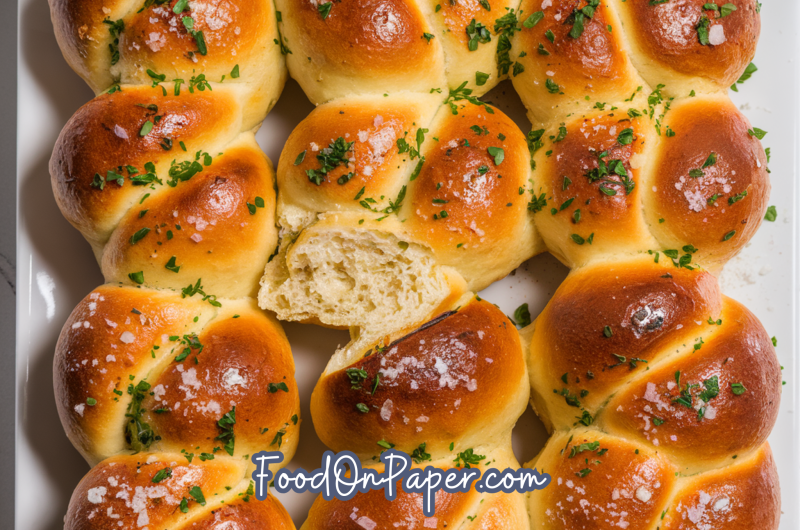
minutesSoft, fluffy garlic knots made from scratch with simple yeast dough, baked until golden, and brushed generously with buttery garlic and Parmesan. These homemade garlic knots are the perfect side for pasta, pizza, or dipping in marinara sauce.
Ingredients
All-purpose flour
Granulated sugar
Active dry yeast
Warm water
Olive oil
Salt
Unsalted butter
Fresh garlic
Fresh parsley
Grated Parmesan cheese
Directions
- In a large mixing bowl, combine warm water, granulated sugar, and active dry yeast, then stir gently and allow the mixture to sit for 5–10 minutes until foamy; if bubbles do not form, the yeast may have expired, or the water may be too hot or too cool, and you should start again to ensure properly risen garlic knots.
- Add olive oil, salt, and flour gradually to the yeast mixture, stirring until a shaggy dough forms. Then knead on a lightly floured surface for about 8–10 minutes until smooth and elastic. Avoid adding too much extra flour, as this can make garlic knots dense instead of soft.
- Place the dough in a lightly oiled bowl, turning once to coat, cover with a clean towel or plastic wrap, and let rise in a warm, draft-free area for about 1–1½ hours or until doubled in size; under-proofing will result in tight knots, while over-proofing may cause collapse.
- Punch down the dough gently to release air, divide into equal portions, roll each piece into a rope about 8 inches long, and tie into a simple knot, tucking the ends underneath; consistent sizing ensures even baking and uniform garlic knots.
- Arrange the shaped knots on a parchment-lined baking sheet, leaving space between them, then cover lightly and allow to rise again for 20–30 minutes; this second rise improves softness and creates a lighter interior texture.
- Preheat the oven to 400°F, then bake the garlic knots for 15–18 minutes, or until golden brown on top. Rotate the pan halfway through baking for an even color, and avoid overbaking to maintain a soft center.
- While the knots bake, melt unsalted butter in a small saucepan over low heat, add freshly minced garlic, and cook gently for 1–2 minutes until fragrant but not browned, as burnt garlic tastes bitter and can overpower the flavor of garlic knots.
- Remove the garlic knots from the oven and immediately brush generously with warm garlic butter, then sprinkle with chopped fresh parsley and grated Parmesan cheese; tossing them gently in a large bowl helps distribute flavor evenly for restaurant-quality garlic knots.