Do you love easy, delicious recipes? Join the Food On Paper family and never miss a recipe

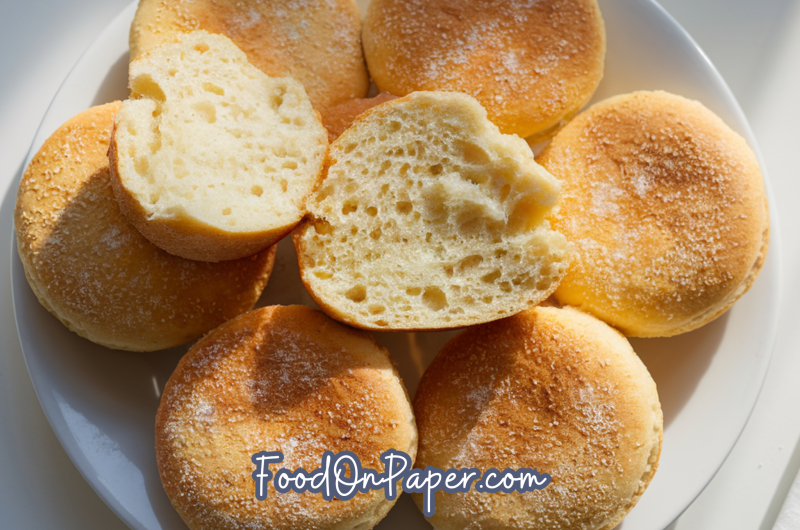
Homemade english muffin recipe
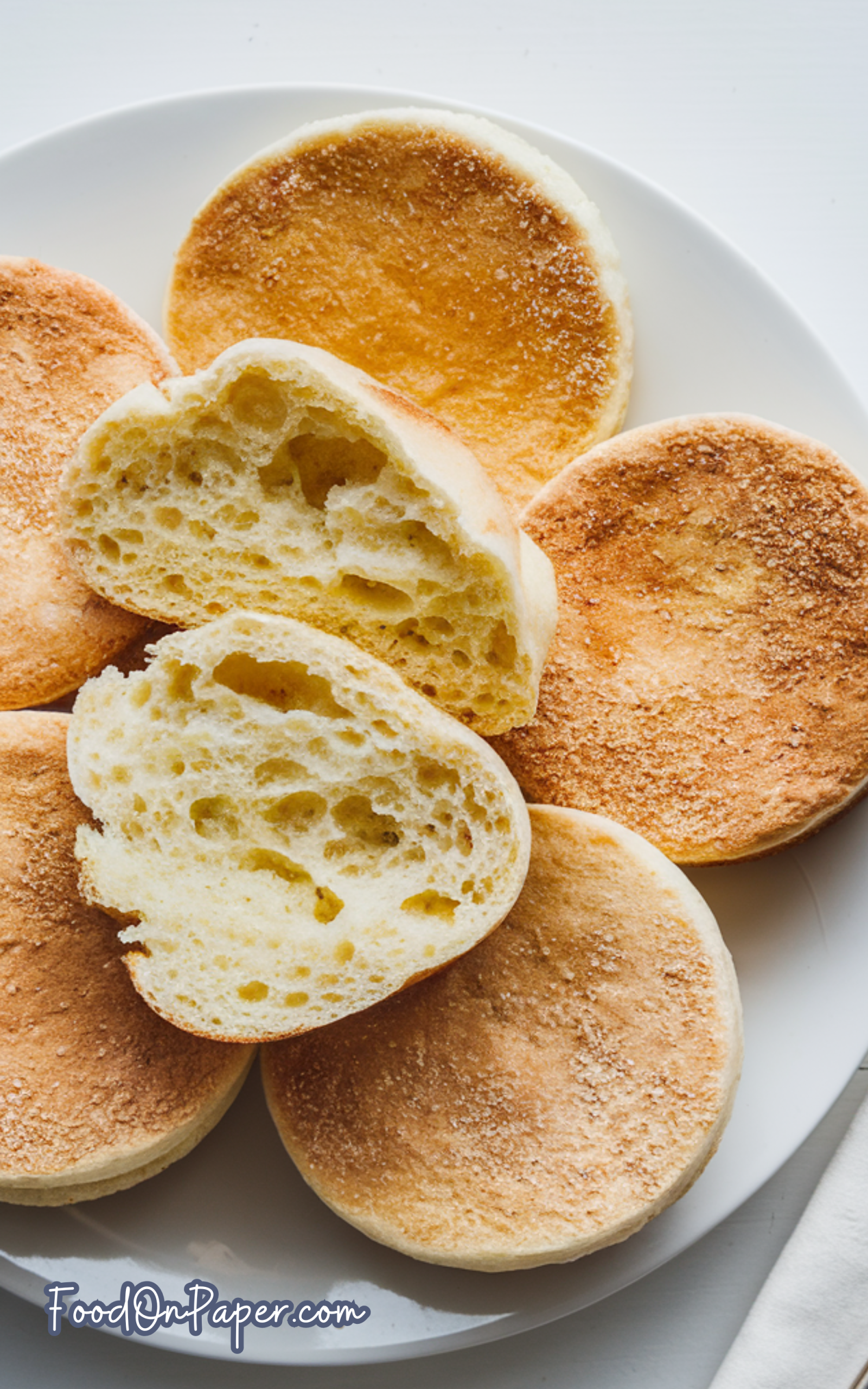
Learning this English muffin recipe began in my grandmother’s kitchen; the English muffin recipe fuels plates, and the English muffin recipe pairs with butter and jam, avocado toast, egg-and-cheese, soup dunkers, and Chocolate Peanut Butter Cold Brew. Master the English muffin recipe, because an English muffin recipe comforts.
INGREDIENTS
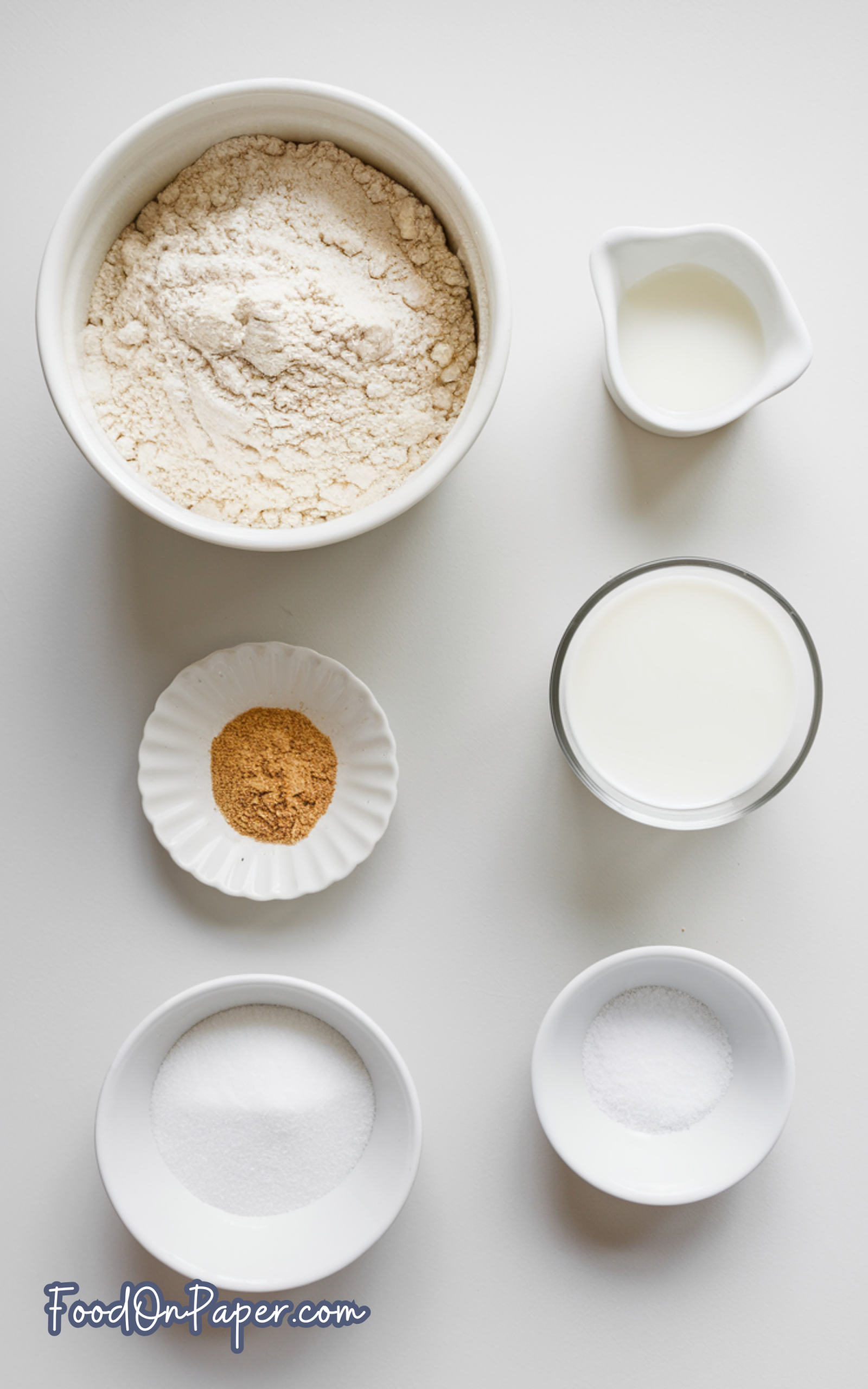
- All-purpose flour
- Active dry yeast
- Whole milk
- Granulated sugar
- Fine sea salt
- Unsalted butter
- Large eggs
- Cornmeal
INGREDIENT NOTES
- All-purpose flour: Provides structure for soft yet sturdy muffins; bread flour can be substituted for chewier results.
- Active dry yeast: Responsible for fermentation and airy interiors; instant yeast works as a substitute with slightly shorter proofing.
- Whole milk: Tenderizes the crumb and boosts flavor; non-dairy milk can be used, unsweetened for best results.
- Granulated sugar: Feeds yeast and balances flavor; honey or maple syrup may replace it for subtle sweetness.
- Fine sea salt: Enhances flavor and regulates fermentation; kosher salt can be substituted with correct measurement.
- Unsalted butter: Enriches texture and aroma; neutral oil may substitute, but flavor is less rich.
- Large eggs: Provide structure, color, and richness; a flax egg works for egg-free versions with a slight texture change.
- Cornmeal: Prevents sticking and adds classic texture; semolina flour is an alternative with a smoother bite.
How to make a homemade English muffin recipe?
Step 1
Warm the milk until just lukewarm, then combine with sugar and yeast. Let it sit until foamy to confirm active yeast. Avoid overheating the milk, which can kill the yeast.
Step 2
Add melted butter, eggs, and salt to the mixture. Gradually stir in flour until a soft, slightly tacky dough forms. Avoid adding too much flour too early.
Step 3
Knead the dough by hand or mixer until smooth and elastic. Proper kneading develops gluten, giving signature chew and structure. Under-kneading causes dense muffins.
Step 4
Transfer dough to a greased bowl, cover, and let rise until doubled. Warm, draft-free space ensures steady fermentation. Rushing this step limits flavor.
Step 5
Roll the dough to an even thickness and cut rounds with a cutter or glass. Dust with cornmeal. Press straight down to avoid sealing edges, which restricts rise.
Step 6
Place rounds on a cornmeal-dusted surface, cover, and let rest briefly. Second proofing relaxes gluten and promotes even cooking. Skipping it tightens interiors.
Step 7
Cook muffins on a preheated griddle over medium-low heat. Cook slowly for centers to bake before browning. High heat or frequent flipping causes uneven cooking.
Step 8
Cool muffins completely before splitting with a fork. Fork-splitting preserves nooks and texture better than slicing. Toast lightly before serving.
Kitchen Equipment Needed
- Large mixing bowl
- Measuring cups and spoons
- Dough scraper or spatula
- Rolling pin
- Round cutter or glass
- Nonstick griddle or heavy skillet
- Clean kitchen towels
Storage Options
Store cooled muffins in an airtight container at room temperature for up to two days. Refrigerate up to one week or freeze individually wrapped for up to three months. Reheat gently to restore softness and flavor.
Other Variations to Try
Try substituting part of the all-purpose flour with whole wheat for heartier muffins. Add herbs, grated cheese, cinnamon, or dried fruit for flavor twists. This English muffin recipe also works with sourdough starters for a deeper taste.
FAQ
What makes this English muffin recipe different from store-bought versions?
This recipe emphasizes slow fermentation and stovetop cooking, producing a fresher taste and better texture than mass-produced muffins.
Can I make this English muffin recipe without a griddle?
Yes, a heavy skillet works well with controlled, consistent heat to cook evenly.
Why do my muffins turn out dense?
Dense muffins result from inactive yeast, under-proofing, or too much flour. Follow timing cues carefully.
How do I get more nooks and crannies?
Proper hydration, gentle handling, and fork-splitting are key. Avoid overworking the dough after the first rise.
Is this English muffin recipe suitable for beginners?
Yes, clear cues and patience during proofing make it approachable for new bakers.
Can I double this English muffin recipe?
Doubling is possible if containers are large enough; cook each batch normally.
Should I toast muffins before serving?
Toasting enhances flavor and texture, especially after storage. Fresh muffins can also be enjoyed warm without toasting.
Homemade English muffin recipe
Course: BreakfastCuisine: AmericanDifficulty: MediumServings
12
servingsPrep time
25
minutesCooking time
20
minutesCalories
300
kcalTotal time
45
minutesA detailed, reliable English muffin recipe designed for home cooks seeking classic flavor, airy texture, and practical guidance from start to finish.
Ingredients
All-purpose flour
Active dry yeast
Whole milk
Granulated sugar
Fine sea salt
Unsalted butter
Large eggs
Cornmeal
Directions
- Warm the milk until just lukewarm, then combine with sugar and yeast. Let it sit until foamy to confirm active yeast. Avoid overheating the milk, which can kill the yeast.
- Add melted butter, eggs, and salt to the mixture. Gradually stir in flour until a soft, slightly tacky dough forms. Avoid adding too much flour too early.
- Knead the dough by hand or mixer until smooth and elastic. Proper kneading develops gluten, giving signature chew and structure. Under-kneading causes dense muffins.
- Transfer dough to a greased bowl, cover, and let rise until doubled. Warm, draft-free space ensures steady fermentation. Rushing this step limits flavor.
- Roll the dough to an even thickness and cut rounds with a cutter or glass. Dust with cornmeal. Press straight down to avoid sealing edges, which restricts rise.
- Place rounds on a cornmeal-dusted surface, cover, and let rest briefly. Second proofing relaxes gluten and promotes even cooking. Skipping it tightens interiors.
- Cook muffins on a preheated griddle over medium-low heat. Cook slowly for centers to bake before browning. High heat or frequent flipping causes uneven cooking.
- Cool muffins completely before splitting with a fork. Fork-splitting preserves nooks and texture better than slicing. Toast lightly before serving.