
Do you love easy, delicious recipes? Join the Food On Paper family and never miss a recipe

homemade spaghetti sauce
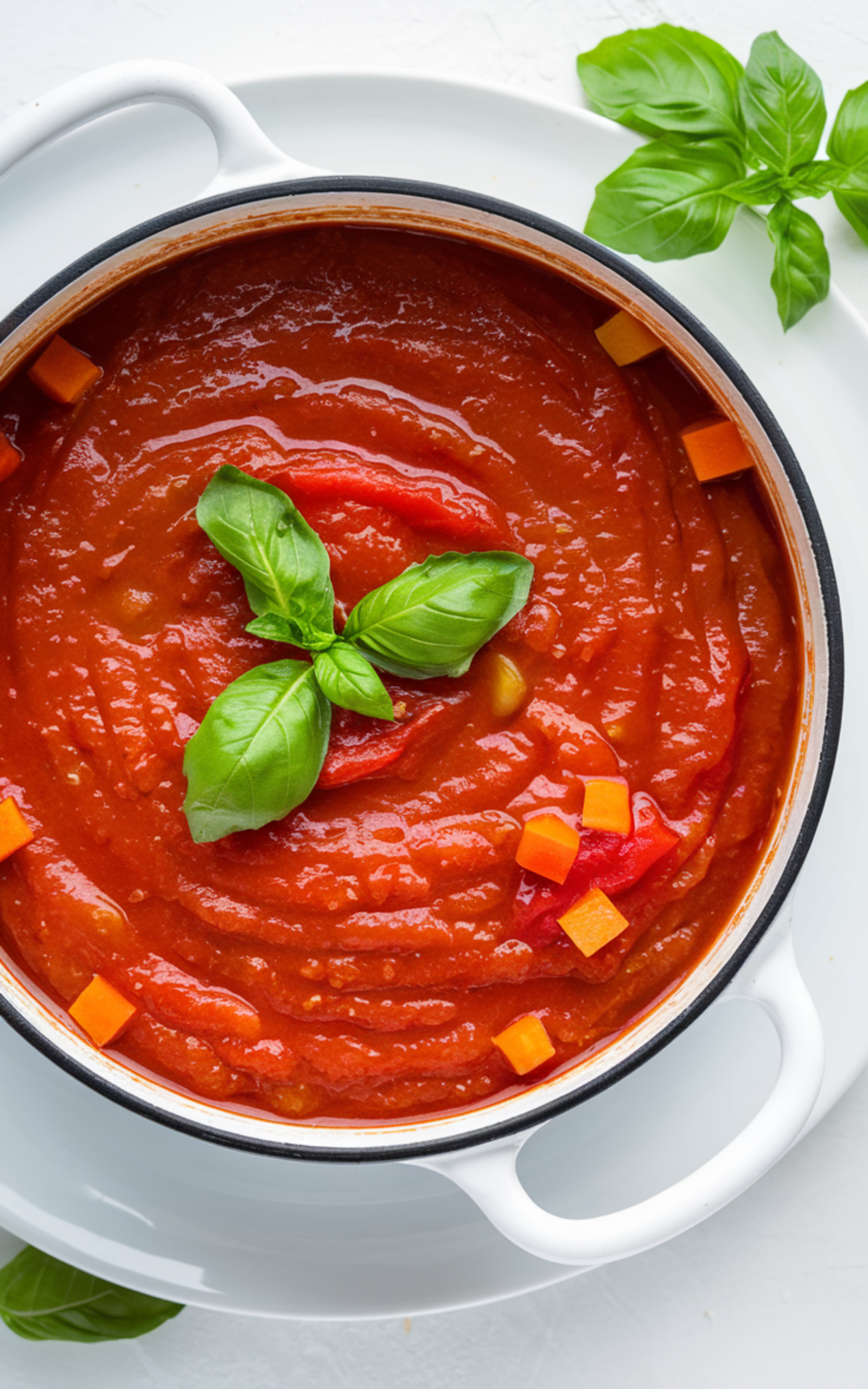
I’ve made a homemade spaghetti sauce countless times, and it’s become a staple for cozy weeknight dinners. Every time I stir the simmering pot, the aroma fills the kitchen and reminds me of family nights around the table. This homemade spaghetti sauce pairs perfectly with a crisp Garlic Herb Bread, a fresh Watermelon Mint Slush, or even a simple Caprese Salad, making meals feel extra special. I love how homemade spaghetti sauce transforms a basic pasta into something comforting and memorable, and I always keep a batch ready for quick lunches or family dinners.
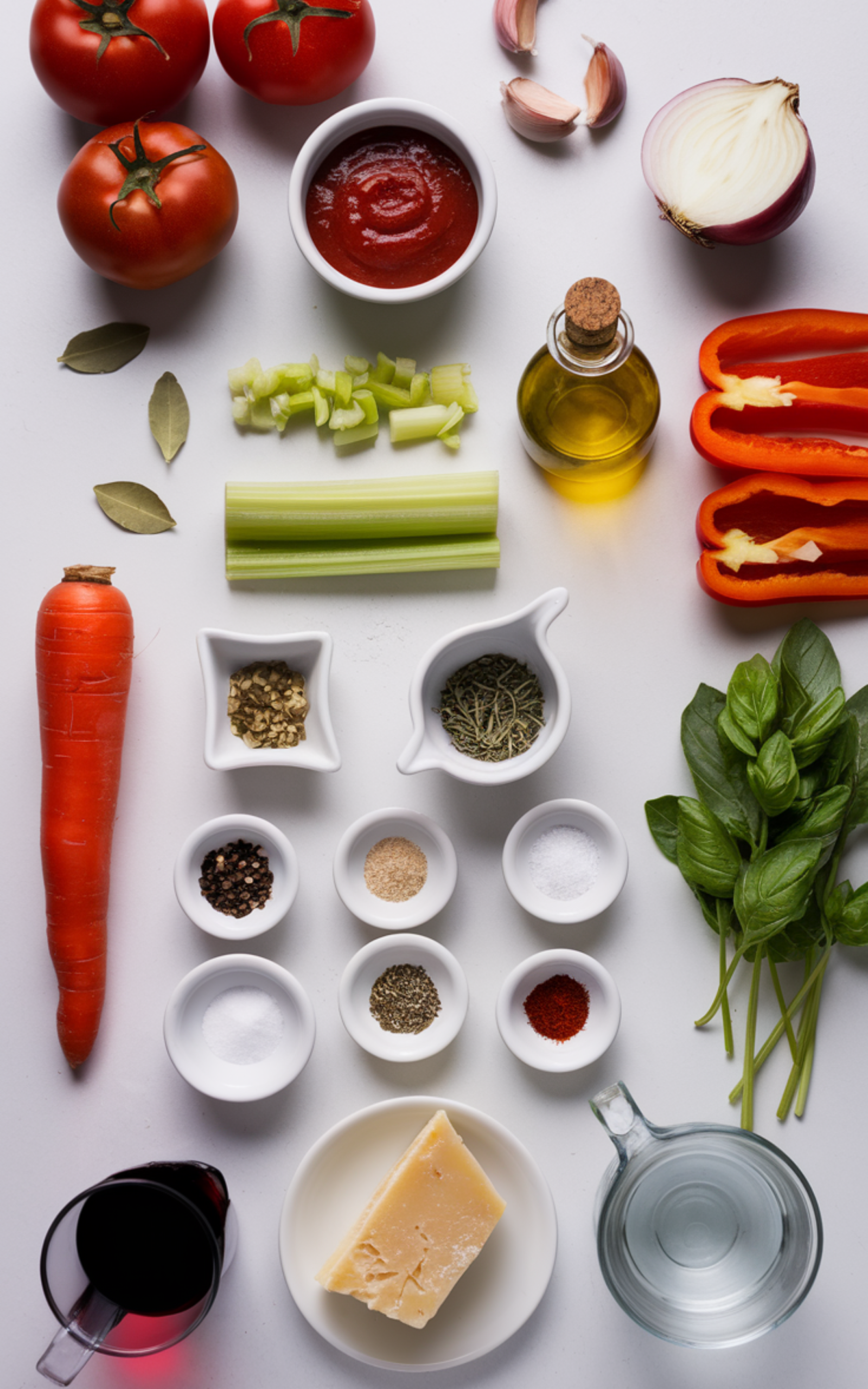
Ingredients
- Tomatoes
- Tomato paste
- Onion
- Garlic
- Olive oil
- Carrot
- Celery
- Red bell pepper
- Fresh basil
- Dried oregano
- Dried thyme
- Sugar
- Salt
- Black pepper
- Red pepper flakes
- Bay leaves
- Parmesan rind (optional)
- Red wine (optional)
- Water or vegetable broth
Ingredient Notes
- Tomatoes: Use fresh, ripe tomatoes for natural sweetness; canned whole tomatoes are a convenient substitute.
- Tomato paste: Concentrates flavor and thickens the sauce; double if using less tomato.
- Onion: Adds depth and natural sweetness; yellow or white onions work best.
- Garlic: Provides aromatic base; adjust cloves to taste.
- Olive oil: Essential for sautéing and flavor; extra virgin recommended for best taste.
- Carrot: Balances acidity with natural sweetness; can substitute with a small parsnip.
- Celery: Adds subtle earthy flavor; finely dice for even cooking.
- Red bell pepper: Adds mild sweetness; optional, but enhances complexity.
- Fresh basil: Adds bright, herbal notes; can substitute with dried basil (use 1/3 the amount).
- Dried oregano: Classic Italian flavor; use sparingly to avoid bitterness.
- Dried thyme: Adds warmth and depth; fresh thyme can be used as a replacement.
- Sugar: Balances the acidity of tomatoes; optional, depending on tomato sweetness.
- Salt: Enhances all flavors; adjust gradually to taste.
- Black pepper: Adds gentle heat; freshly ground is ideal.
- Red pepper flakes: Optional for subtle spice; adjust to preference.
- Bay leaves: Impart savory undertones; remove before serving.
- Parmesan rind (optional): Adds umami richness; skip for vegetarian version.
- Red wine (optional): Deepens flavor complexity; can be replaced with broth for a non-alcoholic version.
- Water or vegetable broth: Adjust consistency; broth adds extra savory flavor.
How to Make Homemade Spaghetti Sauce?
Step 1: Prepare the vegetables
Finely dice onions, carrots, celery, and red bell pepper. Mince garlic. Having all ingredients ready ensures a smooth cooking process and prevents burning. Use uniform sizes for even cooking.
Step 2: Sauté aromatics
Heat olive oil in a large heavy-bottomed pot over medium heat. Add onions, carrots, celery, and red bell pepper. Sauté for 5–7 minutes until softened and fragrant. Stir occasionally to prevent sticking or browning too fast.
Step 3: Add garlic and herbs
Add minced garlic, dried oregano, and dried thyme to the vegetables. Sauté for another 1–2 minutes until garlic is aromatic. Avoid high heat to prevent garlic from turning bitter.
Step 4: Incorporate tomato paste
Add tomato paste to the pan and stir for 2–3 minutes, letting it cook slightly. This step caramelizes the paste, enhancing the sauce’s depth and sweetness. Do not skip this; it prevents a raw paste flavor.
Step 5: Add tomatoes
Pour in chopped fresh or canned tomatoes. Use a spoon or potato masher to break down larger chunks if desired. Stir to combine thoroughly with sautéed vegetables.
Step 6: Add liquids
Add water or vegetable broth to achieve the desired sauce consistency. If using red wine, add now for depth of flavor. Bring the mixture to a gentle simmer over medium-low heat.
Step 7: Add seasoning
Add sugar, salt, black pepper, red pepper flakes, and bay leaves. Adjust seasoning carefully, tasting periodically. The sugar helps balance acidity, and pepper flakes add subtle warmth.
Step 8: Simmer the sauce
Reduce the heat to low and let the sauce simmer uncovered for at least 45 minutes, stirring occasionally. For richer flavor, simmer up to 2 hours. Longer simmering allows flavors to meld and the sauce to thicken naturally.
Step 9: Finish with fresh herbs
Remove bay leaves and Parmesan rind (if used). Stir in fresh basil right before serving to preserve its aroma. Taste and adjust seasoning as needed. Optional: drizzle with a bit of olive oil for a glossy finish.
Step 10: Blend for a smooth sauce (optional)
For a silky, smooth sauce, use an immersion blender directly in the pot or transfer the sauce in batches to a blender. Be cautious with hot liquids and blend until the desired consistency is reached.
Kitchen Equipment Needed
- Large heavy-bottomed pot
- Cutting board
- Chef’s knife
- Wooden spoon or heat-safe spatula
- Measuring spoons
- Potato masher (optional)
- Immersion blender or regular blender (optional)
- Ladle for serving
Pro Tips for Best Results
For the richest homemade spaghetti sauce, start with the freshest tomatoes you can find and let the sauce simmer gently for at least an hour. Avoid high heat, which can scorch delicate aromatics. Layer flavors with sautéed vegetables, tomato paste, and optional wine. Taste frequently and adjust seasoning, remembering the sauce thickens and flavors concentrate as it simmers.
Storage, Freezing, and Reheating
Store homemade spaghetti sauce in airtight containers in the fridge for up to 5 days. For long-term storage, freeze in freezer-safe jars or bags for up to 6 months. To reheat, gently warm on the stove over low heat, adding a splash of water or broth if the sauce has thickened too much. Avoid microwaving for long periods, which can alter flavor and texture.
Recipe Variations and Substitutions
Homemade spaghetti sauce is versatile. For vegetarian households, skip the Parmesan rind or add mushrooms for umami depth. Swap fresh herbs for dried if needed, adjusting quantities. For a spicy twist, increase red pepper flakes or add a dash of smoked paprika. Sweeten naturally with roasted bell peppers or omit sugar for low-carb versions. This sauce adapts well to gluten-free or plant-based meals common in US households.
FAQ
What is the best tomato for homemade spaghetti sauce?
Use ripe Roma or plum tomatoes for balanced sweetness and low water content. Canned whole tomatoes work year-round and maintain consistent flavor.
Can I make homemade spaghetti sauce ahead of time?
Yes, this sauce tastes even better after sitting overnight in the fridge, as flavors meld. Prepare up to 2 days in advance and reheat gently.
How can I thicken homemade spaghetti sauce?
Simmer uncovered for longer to reduce liquid, or blend part of the sauce for a creamier texture. Adding tomato paste during cooking also naturally thickens it.
Can I freeze homemade spaghetti sauce?
Absolutely. Cool completely before freezing in airtight containers. Freeze up to 6 months. Thaw in the fridge overnight before reheating.
Is homemade spaghetti sauce healthy?
Yes, it’s packed with vegetables, herbs, and minimal processed ingredients. Use olive oil sparingly for a heart-healthy option.
How do I prevent sauce from burning?
Simmer over low heat, stir occasionally, and use a heavy-bottomed pot to distribute heat evenly. Avoid high heat, which can scorch the vegetables and paste.
Can I use fresh herbs instead of dried?
Yes, but add fresh herbs toward the end of cooking to preserve aroma and flavor. Dried herbs are best added earlier to infuse the sauce fully.
homemade-spaghetti-sauce
Course: DinnerCuisine: ItalianDifficulty: EasyServings
8
servingsPrep time
20
minutesCooking time
1
hour15
minutesCalories
180
kcalTotal time
1
hour35
minutesThis homemade spaghetti sauce combines fresh vegetables, herbs, and rich tomatoes for a flavorful, versatile sauce. Perfect for weeknight pasta dinners or family gatherings, it’s easy to make and full of authentic Italian-American taste.
Ingredients
Tomatoes
Tomato paste
Onion
Garlic
Olive oil
Carrot
Celery
Red bell pepper
Fresh basil
Dried oregano
Dried thyme
Sugar
Salt
Black pepper
Red pepper flakes
Bay leaves
Parmesan rind (optional)
Red wine (optional)
Water or vegetable broth
Directions
- Finely dice onions, carrots, celery, and red bell pepper. Mince garlic. Having all ingredients ready ensures a smooth cooking process and prevents burning. Use uniform sizes for even cooking.
- Heat olive oil in a large heavy-bottomed pot over medium heat. Add onions, carrots, celery, and red bell pepper. Sauté for 5–7 minutes until softened and fragrant. Stir occasionally to prevent sticking or browning too fast.
- Add minced garlic, dried oregano, and dried thyme to the vegetables. Sauté for another 1–2 minutes until garlic is aromatic. Avoid high heat to prevent garlic from turning bitter.
- Add tomato paste to the pan and stir for 2–3 minutes, letting it cook slightly. This step caramelizes the paste, enhancing the sauce’s depth and sweetness. Do not skip this; it prevents a raw paste flavor.
- Pour in chopped fresh or canned tomatoes. Use a spoon or potato masher to break down larger chunks if desired. Stir to combine thoroughly with sautéed vegetables.
- Add water or vegetable broth to achieve the desired sauce consistency. If using red wine, add now for depth of flavor. Bring the mixture to a gentle simmer over medium-low heat.
- Add sugar, salt, black pepper, red pepper flakes, and bay leaves. Adjust seasoning carefully, tasting periodically. The sugar helps balance acidity, and pepper flakes add subtle warmth.
- Reduce the heat to low and let the sauce simmer uncovered for at least 45 minutes, stirring occasionally. For richer flavor, simmer up to 2 hours. Longer simmering allows flavors to meld and the sauce to thicken naturally.
- Remove bay leaves and Parmesan rind (if used). Stir in fresh basil right before serving to preserve its aroma. Taste and adjust seasoning as needed. Optional: drizzle with a bit of olive oil for a glossy finish.
- For a silky, smooth sauce, use an immersion blender directly in the pot or transfer the sauce in batches to a blender. Be cautious with hot liquids and blend until the desired consistency is reached.