
Do you love easy, delicious recipes? Join the Food On Paper family and never miss a recipe

homemade spaghetti sauce
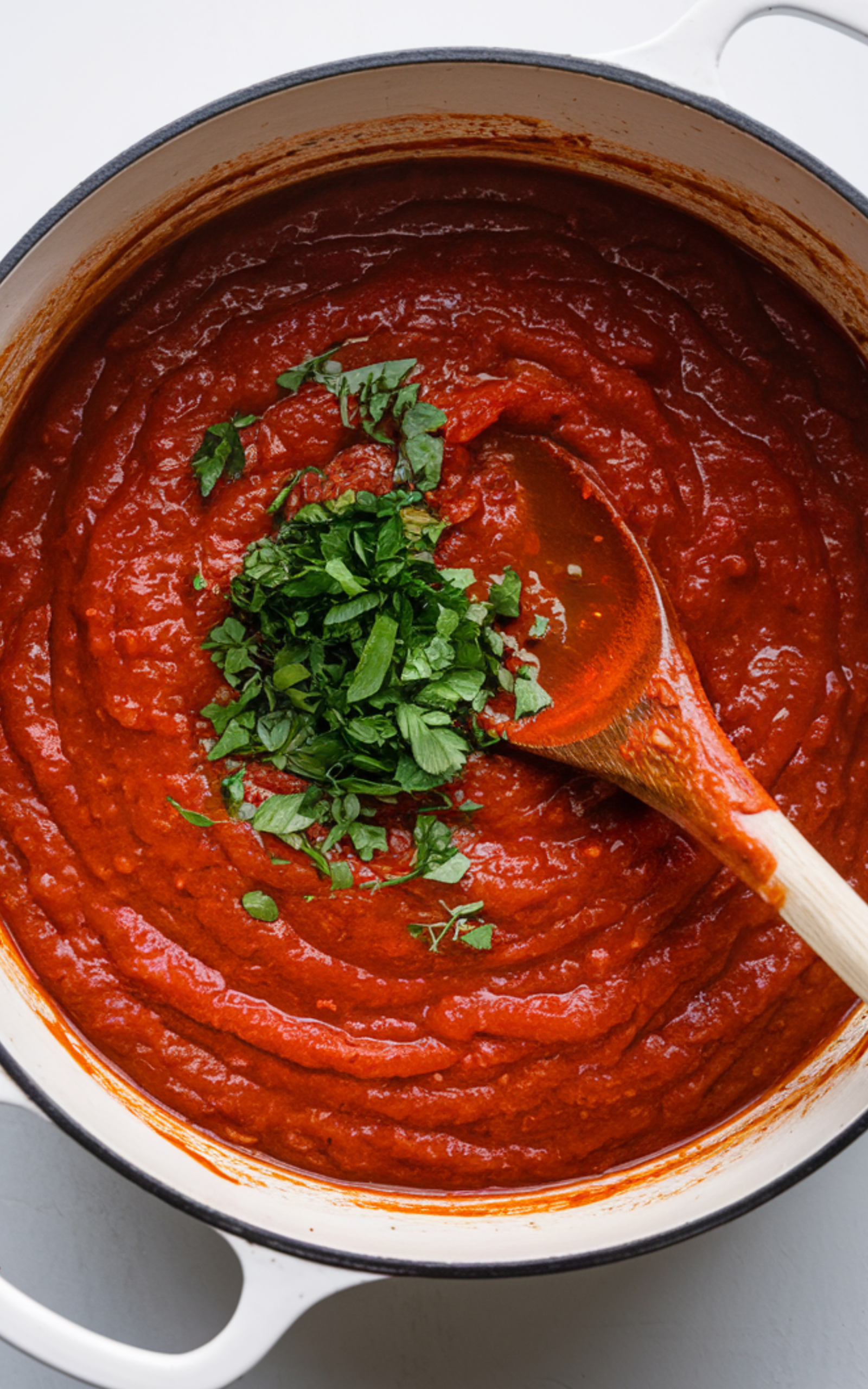
On hectic weeknights, homemade spaghetti sauce is my secret weapon for getting everyone to the table without complaints. I’ve been making homemade spaghetti sauce for years, and it never fails to feel like a cozy family dinner win. I often serve homemade spaghetti sauce with Garlic Knots, Classic Caesar Salad, and Chili Lime Chicken Wings for a hearty, crowd-pleasing meal.
Ingredients
• Olive oil
• Yellow onion
• Garlic
• Crushed tomatoes
• Tomato sauce
• Tomato paste
• Granulated sugar
• Dried basil
• Dried oregano
• Italian seasoning
• Red pepper flakes
• Bay leaf
• Salt
• Black pepper
• Fresh parsley
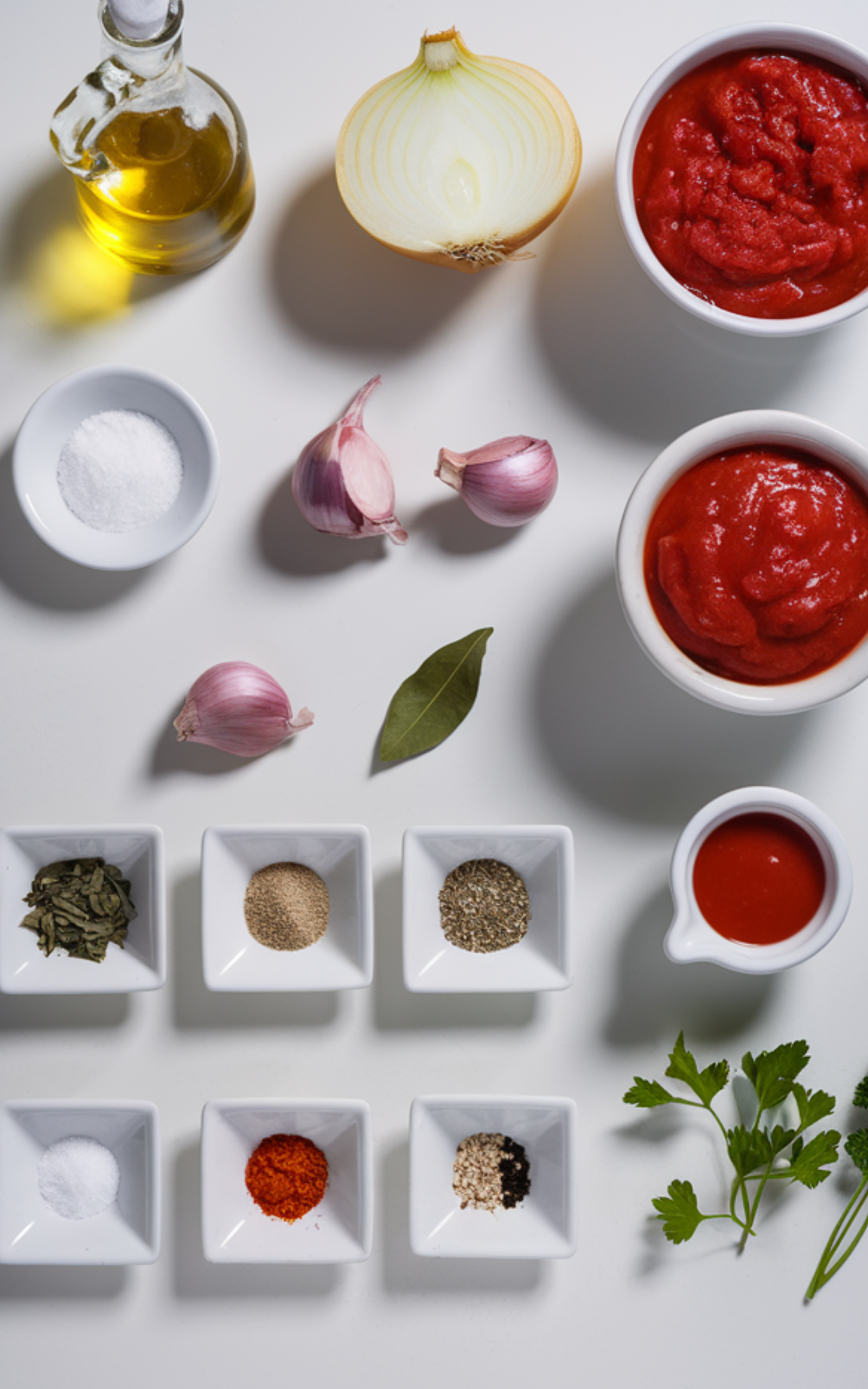
Ingredient Notes
- Olive Oil: Forms the flavor base and helps sauté the aromatics evenly; extra virgin olive oil delivers the best depth.
- Yellow Onion: Adds natural sweetness and body; white onion may be substituted if needed.
- Garlic: Essential for bold flavor; freshly minced garlic provides the best aroma compared to jarred.
- Crushed Tomatoes: The main body of homemade spaghetti sauce; choose high-quality canned tomatoes for balanced acidity.
- Tomato Sauce: Smooths texture and adds consistency; can be replaced with puréed whole tomatoes.
- Tomato Paste: Intensifies tomato flavor and thickens the sauce; sauté briefly to remove raw taste.
- Granulated Sugar: Balances acidity; adjust depending on tomato sweetness or substitute with grated carrot.
- Dried Basil: Provides classic Italian flavor; fresh basil may be added at the end for brightness.
- Dried Oregano: Adds earthiness and depth; crush between fingers before adding to release oils.
- Italian Seasoning: Convenient blend for layered flavor; optional but recommended for complexity.
- Red Pepper Flakes: Adds gentle heat; adjust to preference or omit for mild sauce.
- Bay Leaf: Enhances slow-simmered flavor; remove before serving.
- Salt: Essential for enhancing flavor; add gradually and taste frequently.
- Black Pepper: Adds subtle warmth; freshly ground is best.
- Fresh Parsley: Bright finishing herb; optional, but adds color and freshness.
How to Make Homemade Spaghetti Sauce?
Step 1:
Heat olive oil in a large heavy-bottomed pot or Dutch oven over medium heat. Add finely chopped onion and cook for 5–7 minutes until softened and translucent, stirring occasionally to prevent browning. Properly sweating the onions builds the foundation of homemade spaghetti sauce without adding bitterness. Avoid rushing this step, as undercooked onions can leave a sharp aftertaste.
Step 2:
Add minced garlic and cook for 30–60 seconds until fragrant, stirring constantly to prevent burning. Garlic cooks quickly and can become bitter if overcooked. Once aromatic, immediately move to the next step to preserve its flavor integrity.
Step 3:
Stir in tomato paste and cook for 1–2 minutes, allowing it to darken slightly. This caramelizes the paste and removes any raw metallic taste. Properly sautéing tomato paste deepens the richness of homemade spaghetti sauce and enhances overall complexity.
Step 4:
Add crushed tomatoes and tomato sauce to the pot, stirring thoroughly to combine with the aromatics. Bring the mixture to a gentle simmer. Avoid boiling aggressively, as high heat can cause scorching at the bottom of the pot.
Step 5:
Add dried basil, dried oregano, Italian seasoning, red pepper flakes, bay leaf, salt, black pepper, and granulated sugar. Stir well to distribute evenly. Crushing dried herbs between your fingers before adding helps release their essential oils and boosts flavor.
Step 6:
Reduce the heat to low and allow the homemade spaghetti sauce to simmer uncovered for at least 30–45 minutes, stirring occasionally. Longer simmering, up to 90 minutes, develops deeper flavor and thicker texture. If the sauce thickens too much, add a small splash of water. If too thin, continue simmering until the desired consistency is reached.
Step 7:
Taste and adjust seasoning. Add more salt, sugar, or red pepper flakes if needed. Remove the bay leaf. For a smoother sauce, use an immersion blender carefully in the pot, or leave it chunky for a rustic texture.
Step 8:
Stir in freshly chopped parsley just before serving. Allow the sauce to rest for 5–10 minutes off the heat to let flavors settle. Your homemade spaghetti sauce is now ready to toss with pasta, layer in lasagna, or use in any Italian-inspired dish.
Kitchen Equipment Needed
• Large heavy-bottomed pot or Dutch oven
• Wooden spoon
• Cutting board
• Chef’s knife
• Measuring spoons
• Immersion blender (optional)
Pro Tips for Best Results
For truly exceptional homemade spaghetti sauce, patience is key. As someone who has made this recipe countless times for family dinners and large gatherings, I have learned that slow simmering creates the richest depth of flavor. Use high-quality canned tomatoes, taste as you go, and adjust seasoning gradually. Avoid overloading with sugar; instead, let proper cooking balance acidity naturally.
Storage, Freezing, and Reheating
Homemade spaghetti sauce stores beautifully, making it ideal for meal prep. Allow the sauce to cool completely before transferring to airtight containers. Refrigerate for up to 4 days. For longer storage, freeze in freezer-safe containers or zip-top bags for up to 3 months. Thaw overnight in the refrigerator. Reheat gently on the stovetop over low heat, stirring occasionally, or microwave in short intervals. Add a splash of water if the sauce thickens too much after storage.
Recipe Variations and Substitutions
Homemade spaghetti sauce is highly adaptable for American households. Add browned ground beef or Italian sausage for a meat sauce variation. Stir in sautéed mushrooms, bell peppers, or zucchini for a vegetable-forward version. For a low-sodium option, use no-salt-added tomatoes. To make it gluten-free, simply ensure all packaged ingredients are certified gluten-free.
FAQ
Can I make homemade spaghetti sauce ahead of time?
Yes, homemade spaghetti sauce actually tastes better the next day. The flavors deepen as it rests, making it ideal for preparing 1–2 days in advance.
How long should homemade spaghetti sauce simmer?
At least 30–45 minutes is recommended, but simmering up to 90 minutes enhances flavor and thickens the sauce beautifully.
Can I use fresh tomatoes instead of canned?
Yes, but they require peeling and longer cooking to break down properly. Canned tomatoes provide consistent flavor year-round.
Why is my spaghetti sauce too acidic?
Tomatoes vary in acidity. Add a small amount of sugar or finely grated carrot, and allow longer simmering to mellow the acidity naturally.
How do I thicken homemade spaghetti sauce?
Simmer uncovered to reduce excess liquid. You can also add a small amount of tomato paste for a thicker consistency.
Can I double this recipe?
Absolutely. Homemade spaghetti sauce scales well. Use a larger pot and extend simmering slightly if making a large batch.
Is homemade spaghetti sauce better than store-bought?
Homemade spaghetti sauce allows full control over ingredients, sodium levels, and flavor balance, resulting in fresher, richer taste without preservatives.
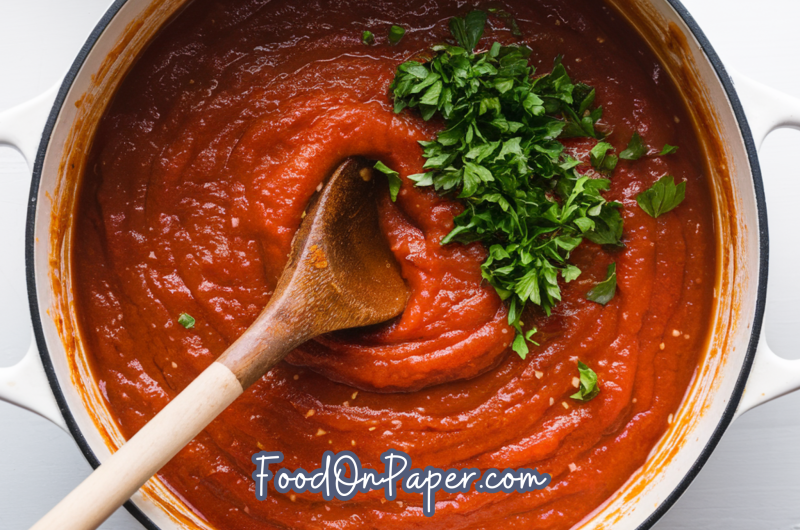
homemade spaghetti sauce
Course: DinnerCuisine: ItalianDifficulty: EasyServings
6
servingsPrep time
10
minutesCooking time
45
minutesCalories
140
kcalTotal time
55
minutesA rich and flavorful homemade spaghetti sauce made with simple pantry ingredients and slow-simmered to perfection. This classic Italian-American sauce is versatile, freezer-friendly, and perfect for pasta, lasagna, and family dinners.
Ingredients
• Olive oil
• Yellow onion
• Garlic
• Crushed tomatoes
• Tomato sauce
• Tomato paste
• Granulated sugar
• Dried basil
• Dried oregano
• Italian seasoning
• Red pepper flakes
• Bay leaf
• Salt
• Black pepper
• Fresh parsley
Directions
- Heat olive oil in a large heavy-bottomed pot or Dutch oven over medium heat. Add finely chopped onion and cook for 5–7 minutes until softened and translucent, stirring occasionally to prevent browning. Properly sweating the onions builds the foundation of homemade spaghetti sauce without adding bitterness. Avoid rushing this step, as undercooked onions can leave a sharp aftertaste.
- Add minced garlic and cook for 30–60 seconds until fragrant, stirring constantly to prevent burning. Garlic cooks quickly and can become bitter if overcooked. Once aromatic, immediately move to the next step to preserve its flavor integrity.
- Stir in tomato paste and cook for 1–2 minutes, allowing it to darken slightly. This caramelizes the paste and removes any raw metallic taste. Properly sautéing tomato paste deepens the richness of homemade spaghetti sauce and enhances overall complexity.
- Add crushed tomatoes and tomato sauce to the pot, stirring thoroughly to combine with the aromatics. Bring the mixture to a gentle simmer. Avoid boiling aggressively, as high heat can cause scorching at the bottom of the pot.
- Add dried basil, dried oregano, Italian seasoning, red pepper flakes, bay leaf, salt, black pepper, and granulated sugar. Stir well to distribute evenly. Crushing dried herbs between your fingers before adding helps release their essential oils and boosts flavor.
- Reduce the heat to low and allow the homemade spaghetti sauce to simmer uncovered for at least 30–45 minutes, stirring occasionally. Longer simmering, up to 90 minutes, develops deeper flavor and thicker texture. If the sauce thickens too much, add a small splash of water. If too thin, continue simmering until the desired consistency is reached.
- Taste and adjust seasoning. Add more salt, sugar, or red pepper flakes if needed. Remove the bay leaf. For a smoother sauce, use an immersion blender carefully in the pot, or leave it chunky for a rustic texture.
- Stir in freshly chopped parsley just before serving. Allow the sauce to rest for 5–10 minutes off the heat to let flavors settle. Your homemade spaghetti sauce is now ready to toss with pasta, layer in lasagna, or use in any Italian-inspired dish.