Do you love easy, delicious recipes? Join the Food On Paper family and never miss a recipe

Homemade Vanilla French Beignets
Weekend mornings remind me why Vanilla French Beignets matter, because Vanilla French Beignets turn quiet kitchens lively, Vanilla French Beignets invite sharing, Vanilla French Beignets pair beautifully with coffee dip, hot chocolate, berry parfait, Strawberry Kiwi Cooler, vanilla latte, and caramel drizzle, and Vanilla French Beignets always feel celebratory.
INGREDIENTS
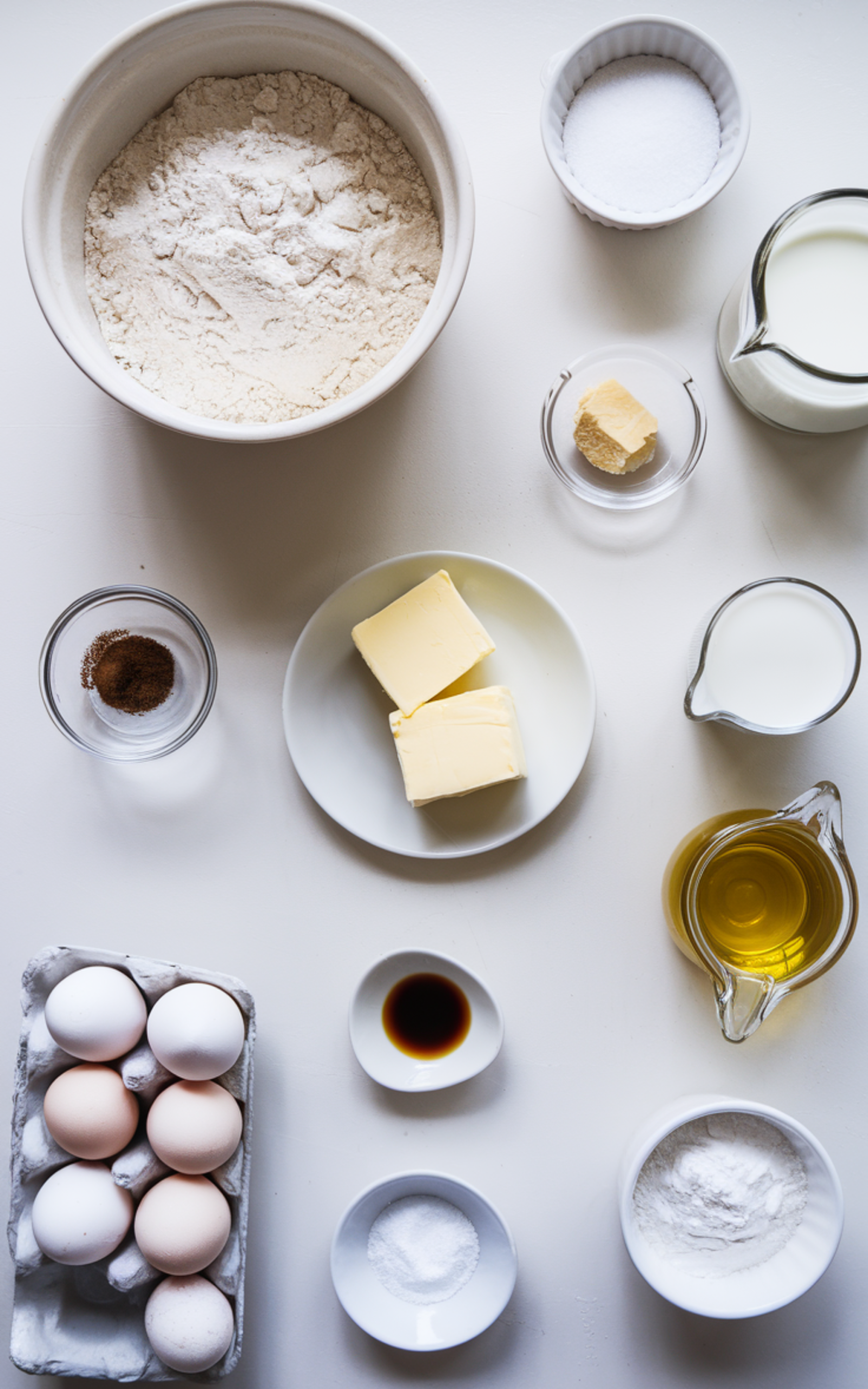
- All-purpose flour
- Granulated sugar
- Active dry yeast
- Whole milk
- Unsalted butter
- Eggs
- Vanilla extract
- Salt
- Vegetable oil
- Powdered sugar
INGREDIENT NOTES
- All-purpose flour: This provides the structure for Vanilla French Beignets; sift it if possible, because aerated flour creates a lighter crumb and smoother dough.
- Granulated sugar: Sugar feeds the yeast, balances the richness, and adds gentle sweetness; you may substitute fine caster sugar if desired.
- Active dry yeast: Yeast is responsible for lift and softness; always check freshness, and dissolve it fully in warm milk for even fermentation.
- Whole milk: Milk enriches the dough and keeps Vanilla French Beignets tender; warm it slightly, never hot, to avoid harming the yeast.
- Unsalted butter: Butter adds flavor and moisture; softened butter blends more easily and prevents greasy pockets.
- Eggs: Eggs contribute richness, color, and structure; room-temperature eggs mix more smoothly into the dough.
- Vanilla extract: Vanilla defines the signature aroma of Vanilla French Beignets; use pure extract for the cleanest flavor.
- Salt: Salt sharpens sweetness and controls yeast activity; never skip it, because bland dough lacks balance.
- Vegetable oil: Oil is used for frying; choose a neutral option with a high smoke point for consistent golden results.
- Powdered sugar: This classic topping finishes Vanilla French Beignets; sift before dusting to avoid clumps and uneven coverage.
How to make Vanilla French Beignets?
Step 1
Warm the milk until just lukewarm, then stir in the granulated sugar and active dry yeast; let the mixture rest for several minutes, until foamy, which confirms the yeast is alive and ready to work.
Step 2
In a large mixing bowl, combine the flour and salt, then create a shallow well in the center; pour in the yeast mixture, add the eggs, softened butter, and vanilla extract, then mix slowly with a wooden spoon or dough hook until a shaggy dough forms.
Step 3
Knead the dough until smooth and elastic; this can be done by hand on a lightly floured surface or in a stand mixer. Expect about eight to ten minutes, because proper gluten development is essential for airy Vanilla French Beignets. If the dough feels sticky, dust lightly with flour, but avoid adding too much.
Step 4
Transfer the dough to a lightly greased bowl, cover with plastic wrap or a clean towel, and allow it to rise in a warm, draft-free place until doubled in size. This usually takes about one to two hours, depending on room temperature; patience here rewards you with soft, pillowy centers.
Step 5
Once risen, gently punch down the dough to release excess air, then roll it out on a lightly floured surface to an even thickness. Use a sharp knife or bench scraper to cut into neat squares or rectangles; uniform shapes fry more evenly.
Step 6
Heat vegetable oil in a deep, heavy-bottomed pot to the proper frying temperature; always use a thermometer for accuracy, because oil that is too cool makes greasy beignets, while oil that is too hot burns the exterior before the inside cooks.
Step 7
Carefully lower a few dough pieces into the hot oil, without overcrowding; fry until puffed and golden on one side, then flip and cook the other side. Each batch should take only a few minutes; adjust the heat as needed to maintain a consistent color.
Step 8
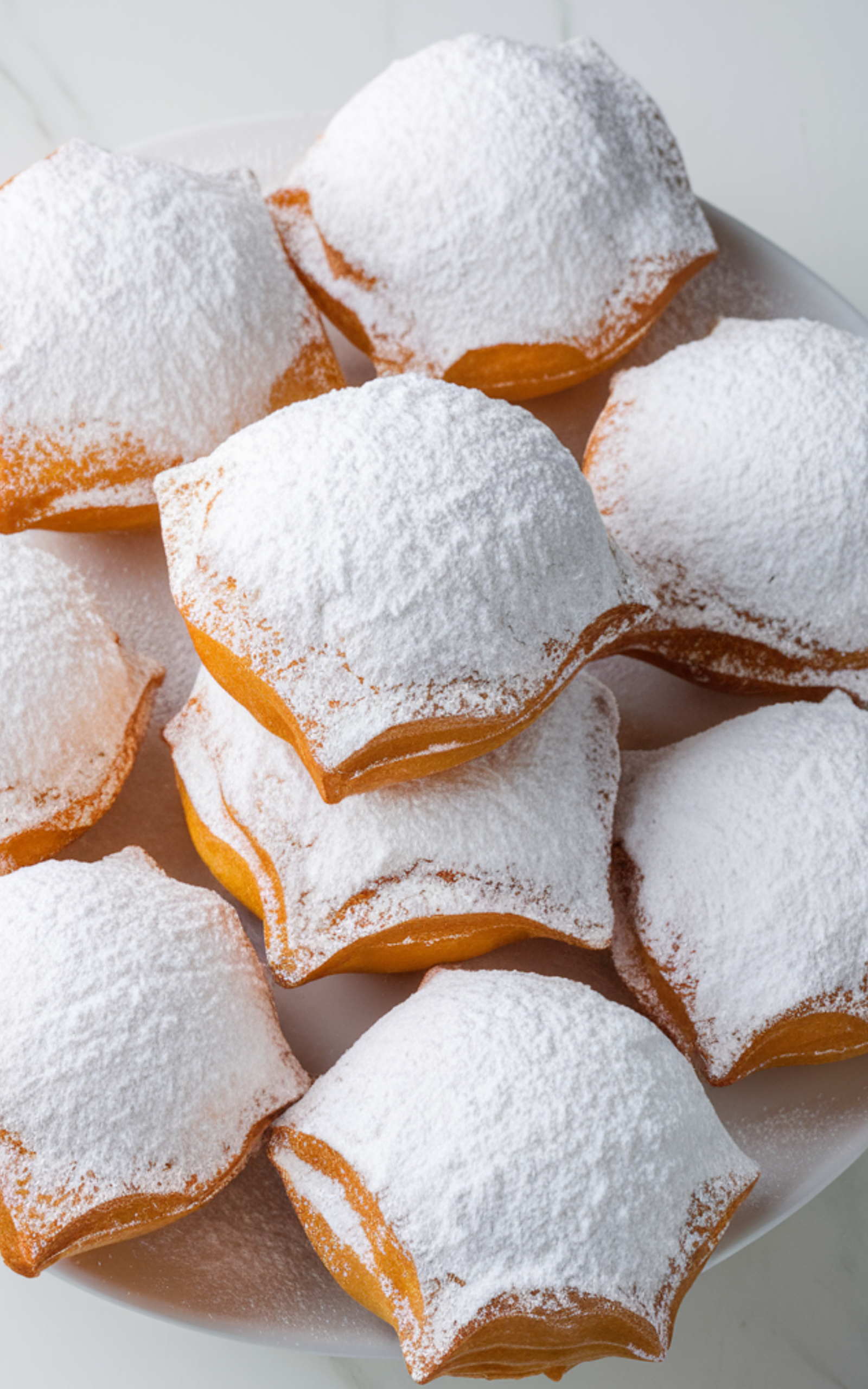
Remove the cooked Vanilla French Beignets with a slotted spoon and place them on a paper towel-lined tray to drain briefly; while still warm, dust generously with powdered sugar, because it adheres best at this stage.
Step 9
Serve Vanilla French Beignets immediately for peak texture and flavor; if preparing for guests, keep finished beignets warm in a low oven, but avoid stacking them tightly, which traps steam and softens the crust.
Kitchen Equipment Needed
- Large mixing bowl
- Measuring cups and spoons
- Wooden spoon or stand mixer with a dough hook
- Clean kitchen towel or plastic wrap
- Rolling pin
- Sharp knife or bench scraper
- Deep heavy-bottomed pot or fryer
- Thermometer
- Slotted spoon
- Paper towels
- Serving platter
Storage Options
Vanilla French Beignets are best enjoyed fresh, while warm and lightly crisp outside with soft interiors; however, leftovers may be stored in an airtight container at room temperature for up to one day. For slightly longer keeping, refrigerate for up to two days, then reheat briefly in a warm oven to restore softness. Avoid microwaving, because it creates a rubbery texture and dulls the vanilla aroma.
Other Variations to Try
For creative twists on Vanilla French Beignets, consider adding citrus zest to the dough for brightness, folding in mini chocolate chips for indulgence, or swapping vanilla extract for vanilla bean paste to intensify flavor. You can also finish with cinnamon sugar instead of powdered sugar, drizzle with honey or warm chocolate sauce, or serve alongside fresh berries for contrast. For a dairy-free option, replace milk with plant-based alternatives and butter with vegan baking margarine, while keeping all other steps the same.
FAQ
Can I make Vanilla French Beignets ahead of time?
Yes, you can prepare the dough in advance and refrigerate it overnight; allow it to come to room temperature before rolling and frying, because cold dough fries unevenly.
Why did my beignets turn out dense?
Dense Vanilla French Beignets usually indicate under-proofed dough or inactive yeast; always confirm yeast foaminess and give the dough enough rising time for proper aeration.
What oil is best for frying?
Neutral oils with high smoke points, such as vegetable or canola oil, work best; they allow the vanilla flavor to shine without adding unwanted taste.
Can I bake instead of frying?
While traditional Vanilla French Beignets are fried, you may bake them for a lighter option; brush with melted butter before baking, then dust with powdered sugar after, noting that the texture will differ.
How do I keep powdered sugar from melting?
Dust beignets just before serving, and ensure they are warm, not hot; excessive heat causes powdered sugar to dissolve quickly.
Are Vanilla French Beignets freezer-friendly?
Fully fried beignets can be frozen once cooled; reheat in a hot oven until warmed through, then dust again with powdered sugar for refreshed presentation.
What should I serve with Vanilla French Beignets?
Vanilla French Beignets pair beautifully with coffee, tea, fruit compotes, chocolate sauce, or refreshing drinks like Strawberry Kiwi Cooler; choose contrasts that balance sweetness.
Homemade Vanilla French Beignets
Course: DessertCuisine: FrenchDifficulty: EasyServings
4
servingsPrep time
10
minutesCooking time
10
minutesCalories
120
kcalTotal time
20
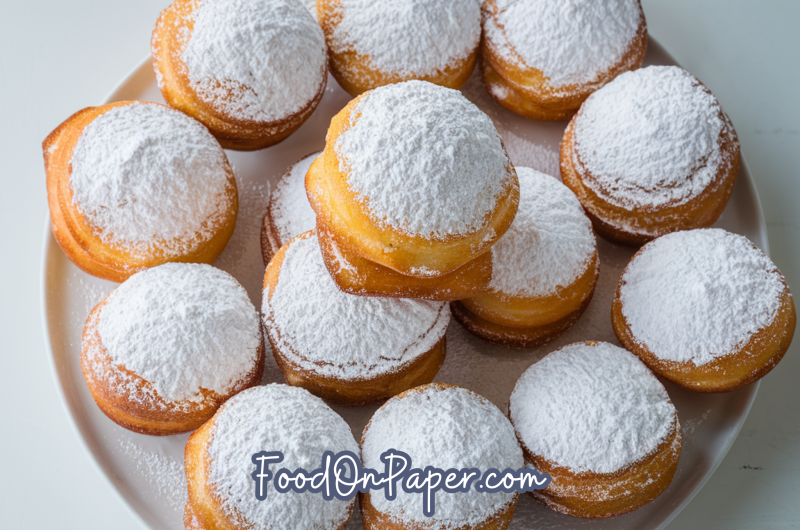
minutesSoft, golden Vanilla French Beignets dusted with powdered sugar, infused with gentle vanilla, and perfect for cozy mornings or celebratory snacks.
Ingredients
All-purpose flour
Granulated sugar
Active dry yeast
Whole milk
Unsalted butter
Eggs
Vanilla extract
Salt
Vegetable oil
Powdered sugar
Directions
- Warm the milk until just lukewarm, then stir in the granulated sugar and active dry yeast; let the mixture rest for several minutes, until foamy, which confirms the yeast is alive and ready to work.
- In a large mixing bowl, combine the flour and salt, then create a shallow well in the center; pour in the yeast mixture, add the eggs, softened butter, and vanilla extract, then mix slowly with a wooden spoon or dough hook until a shaggy dough forms.
- Knead the dough until smooth and elastic; this can be done by hand on a lightly floured surface or in a stand mixer. Expect about eight to ten minutes, because proper gluten development is essential for airy Vanilla French Beignets. If the dough feels sticky, dust lightly with flour, but avoid adding too much.
- Transfer the dough to a lightly greased bowl, cover with plastic wrap or a clean towel, and allow it to rise in a warm, draft-free place until doubled in size. This usually takes about one to two hours, depending on room temperature; patience here rewards you with soft, pillowy centers.
- Once risen, gently punch down the dough to release excess air, then roll it out on a lightly floured surface to an even thickness. Use a sharp knife or bench scraper to cut into neat squares or rectangles; uniform shapes fry more evenly.
- Heat vegetable oil in a deep, heavy-bottomed pot to the proper frying temperature; always use a thermometer for accuracy, because oil that is too cool makes greasy beignets, while oil that is too hot burns the exterior before the inside cooks.
- Carefully lower a few dough pieces into the hot oil, without overcrowding; fry until puffed and golden on one side, then flip and cook the other side. Each batch should take only a few minutes; adjust the heat as needed to maintain a consistent color.
- Remove the cooked Vanilla French Beignets with a slotted spoon and place them on a paper towel-lined tray to drain briefly; while still warm, dust generously with powdered sugar, because it adheres best at this stage.
- Serve Vanilla French Beignets immediately for peak texture and flavor; if preparing for guests, keep finished beignets warm in a low oven, but avoid stacking them tightly, which traps steam and softens the crust.