Do you love easy, delicious recipes? Join the Food On Paper family and never miss a recipe

gingerbread cookies
Every December, I bake gingerbread cookies with my kids after school, and the smell instantly turns our kitchen into a cozy snack haven. I’ve made these gingerbread cookies so many times that I can mix the dough without thinking. We love them with a Honey Lavender Iced Latte, Classic Hot Chocolate with Whipped Cream, or even a Vanilla Chai Tea Latte. Honestly, gingerbread cookies are my favorite easy holiday treat.

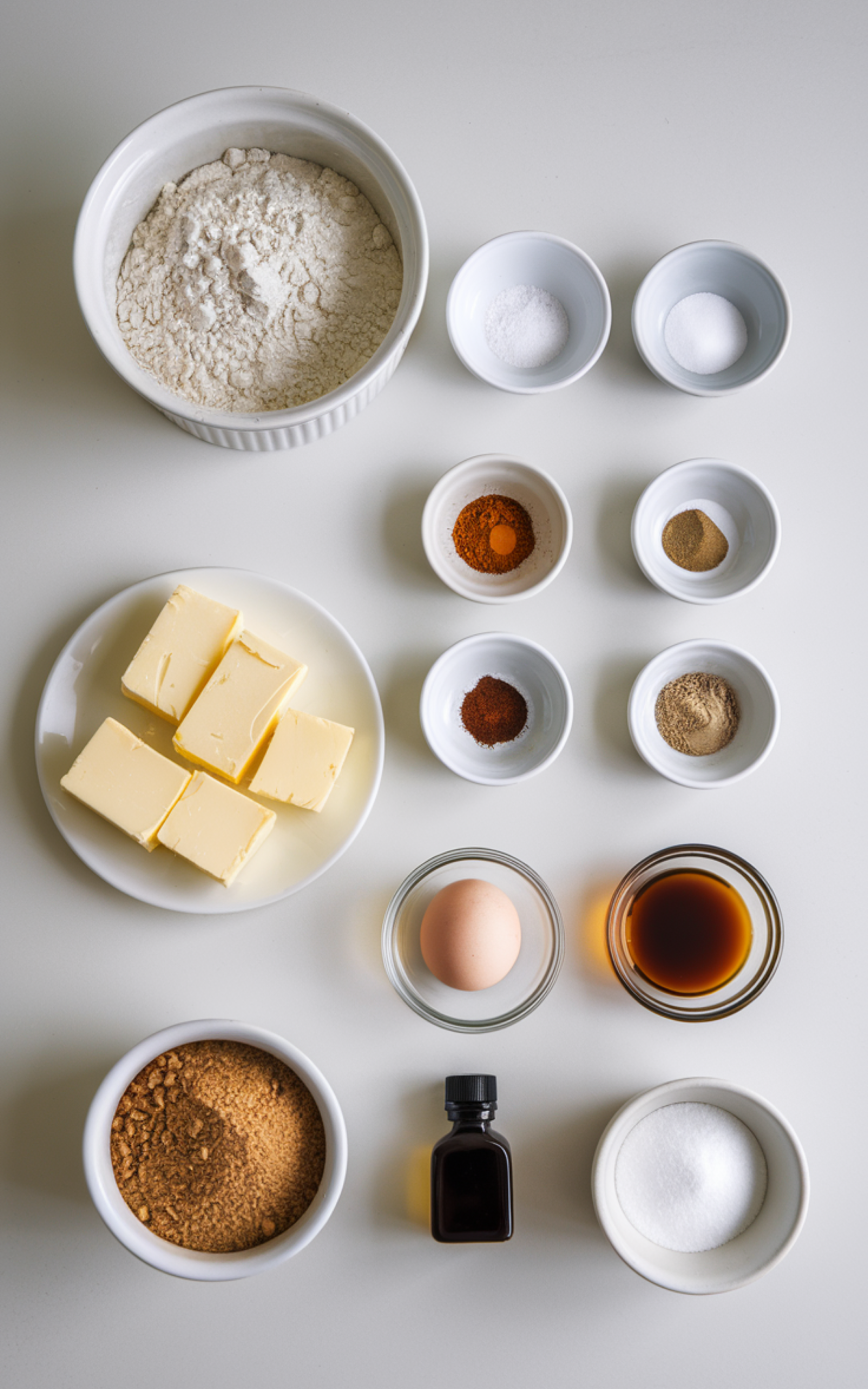
Ingredients
- All-purpose flour
- Baking soda
- Salt
- Ground ginger
- Ground cinnamon
- Ground cloves
- Ground nutmeg
- Unsalted butter
- Brown sugar
- Molasses
- Egg
- Vanilla extract
- Granulated sugar
Ingredient Notes
- All-purpose flour: Provides the structure for gingerbread cookies; spoon and level for accuracy to prevent dense cookies.
- Baking soda: Reacts with molasses to create lift and tenderness; ensure it is fresh for proper rise.
- Salt: Enhances sweetness and balances the bold spices; do not skip.
- Ground ginger: The star spice that gives gingerbread cookies their signature warmth and slight heat; adjust slightly for a stronger flavor.
- Ground cinnamon: Adds sweetness and depth; use fresh cinnamon for the best aroma.
- Ground cloves: Contributes a deep, slightly smoky spice note; use sparingly to avoid overpowering.
- Ground nutmeg: Adds subtle warmth and complexity; freshly grated works beautifully if available.
- Unsalted butter: Provides richness and flavor; softened butter ensures proper creaming with sugar.
- Brown sugar: Adds moisture and caramel notes; light or dark brown sugar both work, though dark gives a deeper flavor.
- Molasses: Essential for authentic gingerbread cookies; use unsulphured molasses for the best flavor and texture.
- Egg: Binds the dough and adds structure; bring to room temperature for even mixing.
- Vanilla extract: Rounds out the spice blend and enhances sweetness; pure vanilla is recommended.
- Granulated sugar: Used for rolling or dusting if desired; adds a slight crunch to the exterior.
How to Make Gingerbread Cookies?
Step 1:
In a medium bowl, whisk together the flour, baking soda, salt, ground ginger, cinnamon, cloves, and nutmeg until evenly combined. Mixing the dry ingredients first ensures the spices distribute evenly throughout the gingerbread cookies, preventing pockets of spice. Avoid overloading on cloves, as too much can create bitterness.
Step 2:
In a large mixing bowl, cream the softened butter and brown sugar using a stand mixer or hand mixer on medium speed until light and fluffy, about 2–3 minutes. Proper creaming incorporates air into the dough, which helps the gingerbread cookies bake evenly and develop a tender texture. Scrape down the sides of the bowl to ensure even mixing.
Step 3:
Add the molasses, egg, and vanilla extract to the creamed mixture. Beat until fully incorporated and smooth. The molasses gives gingerbread cookies their deep color and signature flavor, so mix thoroughly but avoid overbeating once the egg is added, which can toughen the dough.
Step 4:
Gradually add the dry ingredient mixture to the wet ingredients, mixing on low speed just until combined. The dough should be thick and slightly sticky. Overmixing at this stage can develop too much gluten, resulting in tough gingerbread cookies, so stop mixing as soon as no streaks of flour remain.
Step 5:
Divide the dough into two portions, flatten each into a disk, wrap tightly in plastic wrap, and refrigerate for at least 2 hours or overnight. Chilling is essential for gingerbread cookies because it firms up the butter and allows the spices to meld, making the dough easier to roll and preventing spreading during baking.
Step 6:
Preheat the oven to 350°F and line baking sheets with parchment paper or silicone baking mats. Lightly flour a clean surface and roll one portion of chilled dough to about 1/4-inch thickness. If the dough becomes too soft, return it to the refrigerator briefly. Even thickness ensures evenly baked gingerbread cookies.
Step 7:
Use cookie cutters to cut shapes and transfer them carefully to the prepared baking sheets, spacing them about 1 inch apart. Gather scraps, reroll gently, and cut additional shapes. Avoid excessive rerolling, which can toughen the dough and affect the texture of the gingerbread cookies.
Step 8:
Bake for 8–10 minutes, depending on size, until the edges are set and slightly darker but the centers remain soft. Do not overbake, as gingerbread cookies continue to firm up as they cool. For softer cookies, err on the shorter baking time; for crisp edges, bake slightly longer.
Step 9:
Allow the gingerbread cookies to cool on the baking sheet for 5 minutes before transferring to a wire rack to cool completely. Cooling fully before decorating prevents icing from melting and ensures clean, professional-looking results.
Step 10:
Decorate as desired with royal icing, simple glaze, or leave plain. Let decorations set completely before stacking or storing. Properly decorated gingerbread cookies can become beautiful holiday gifts or festive centerpieces.
Kitchen Equipment Needed
- Mixing bowls
- Stand mixer or hand mixer
- Measuring cups and spoons
- Whisk
- Rubber spatula
- Plastic wrap
- Rolling pin
- Cookie cutters
- Baking sheets
- Parchment paper or silicone baking mats
- Wire cooling rack
Pro Tips for Best Results
After years of baking gingerbread cookies for holiday gatherings and cookie swaps, I have learned that patience is everything. Chilling the dough thoroughly prevents spreading and keeps shapes crisp. Always measure flour accurately and avoid packing it into the cup. Use high-quality molasses and fresh spices for bold flavor. If the dough cracks while rolling, let it sit at room temperature for a few minutes.
Storage, Freezing, and Reheating
Store baked gingerbread cookies in an airtight container at room temperature for up to one week. Place parchment paper between layers to prevent sticking. For longer storage, freeze undecorated gingerbread cookies in a freezer-safe container for up to three months. You can also freeze the dough tightly wrapped for up to three months; thaw overnight in the refrigerator before rolling. To refresh slightly firm cookies, warm them in a 300°F oven for 2–3 minutes, then cool before serving.
Recipe Variations and Substitutions
Gingerbread cookies are incredibly versatile for American households. For a softer, chewy version, slightly reduce baking time and add a tablespoon of milk to the dough. For crisp snap-style cookies, roll thinner and bake longer. Substitute gluten-free all-purpose flour blends for a gluten-free option, ensuring the blend contains xanthan gum. Dairy-free butter alternatives work well for those avoiding dairy. Add orange zest for a citrus twist, or a pinch of black pepper for extra warmth.
FAQ
Why do my gingerbread cookies spread too much?
Spreading usually happens if the dough is not chilled long enough or if too much butter is used. Make sure to refrigerate the dough thoroughly and measure ingredients accurately. Warm baking sheets can also cause spreading, so always use cool sheets.
How do I keep gingerbread cookies soft?
Store gingerbread cookies in an airtight container with a slice of bread. The cookies absorb moisture from the bread and stay soft longer. Slightly underbaking also helps maintain a tender texture.
Can I make gingerbread cookie dough ahead of time?
Yes, gingerbread cookie dough can be made up to three days in advance and stored in the refrigerator. It also freezes beautifully for up to three months, making holiday prep easier.
What type of molasses is best for gingerbread cookies?
Unsulphured molasses is ideal for gingerbread cookies. Avoid blackstrap molasses, which is more bitter and can overpower the spice balance.
How thick should I roll gingerbread cookie dough?
For classic gingerbread cookies, roll the dough to about 1/4 inch thick. Thinner dough creates crisp cookies, while thicker dough results in softer centers.
Can I decorate gingerbread cookies without royal icing?
Absolutely. You can use a simple powdered sugar glaze, buttercream, melted chocolate, or even leave gingerbread cookies plain. The flavor is bold enough to stand on its own.
Why are my gingerbread cookies hard?
Overbaking is the most common cause. Gingerbread cookies continue to firm as they cool, so remove them from the oven when the edges are set, but the centers still look slightly soft.

gingerbread cookies
Course: DessertCuisine: AmericanDifficulty: EasyServings
24
servingsPrep time
20
minutesCooking time
10
minutesCalories
150
kcalTotal time
30
minutesThese gingerbread cookies are warmly spiced, perfectly balanced, and ideal for rolling and cutting into festive shapes. Made with molasses and a blend of classic spices, gingerbread cookies bake up tender with crisp edges. Perfect for decorating, gifting, or enjoying plain during the holiday season.
Ingredients
All-purpose flour
Baking soda
Salt
Ground ginger
Ground cinnamon
Ground cloves
Ground nutmeg
Unsalted butter
Brown sugar
Molasses
Egg
Vanilla extract
Granulated sugar
Directions
- In a medium bowl, whisk together the flour, baking soda, salt, ground ginger, cinnamon, cloves, and nutmeg until evenly combined. Mixing the dry ingredients first ensures the spices distribute evenly throughout the gingerbread cookies, preventing pockets of spice. Avoid overloading on cloves, as too much can create bitterness.
- In a large mixing bowl, cream the softened butter and brown sugar using a stand mixer or hand mixer on medium speed until light and fluffy, about 2–3 minutes. Proper creaming incorporates air into the dough, which helps the gingerbread cookies bake evenly and develop a tender texture. Scrape down the sides of the bowl to ensure even mixing.
- Add the molasses, egg, and vanilla extract to the creamed mixture. Beat until fully incorporated and smooth. The molasses gives gingerbread cookies their deep color and signature flavor, so mix thoroughly but avoid overbeating once the egg is added, which can toughen the dough.
- Gradually add the dry ingredient mixture to the wet ingredients, mixing on low speed just until combined. The dough should be thick and slightly sticky. Overmixing at this stage can develop too much gluten, resulting in tough gingerbread cookies, so stop mixing as soon as no streaks of flour remain.
- Divide the dough into two portions, flatten each into a disk, wrap tightly in plastic wrap, and refrigerate for at least 2 hours or overnight. Chilling is essential for gingerbread cookies because it firms up the butter and allows the spices to meld, making the dough easier to roll and preventing spreading during baking.
- Preheat the oven to 350°F and line baking sheets with parchment paper or silicone baking mats. Lightly flour a clean surface and roll one portion of chilled dough to about 1/4-inch thickness. If the dough becomes too soft, return it to the refrigerator briefly. Even thickness ensures evenly baked gingerbread cookies.
- Use cookie cutters to cut shapes and transfer them carefully to the prepared baking sheets, spacing them about 1 inch apart. Gather scraps, reroll gently, and cut additional shapes. Avoid excessive rerolling, which can toughen the dough and affect the texture of the gingerbread cookies.
- Bake for 8–10 minutes, depending on size, until the edges are set and slightly darker but the centers remain soft. Do not overbake, as gingerbread cookies continue to firm up as they cool. For softer cookies, err on the shorter baking time; for crisp edges, bake slightly longer.
- Allow the gingerbread cookies to cool on the baking sheet for 5 minutes before transferring to a wire rack to cool completely. Cooling fully before decorating prevents icing from melting and ensures clean, professional-looking results.
- Decorate as desired with royal icing, simple glaze, or leave plain. Let decorations set completely before stacking or storing. Properly decorated gingerbread cookies can become beautiful holiday gifts or festive centerpieces.