
Do you love easy, delicious recipes? Join the Food On Paper family and never miss a recipe

oatmeal bread
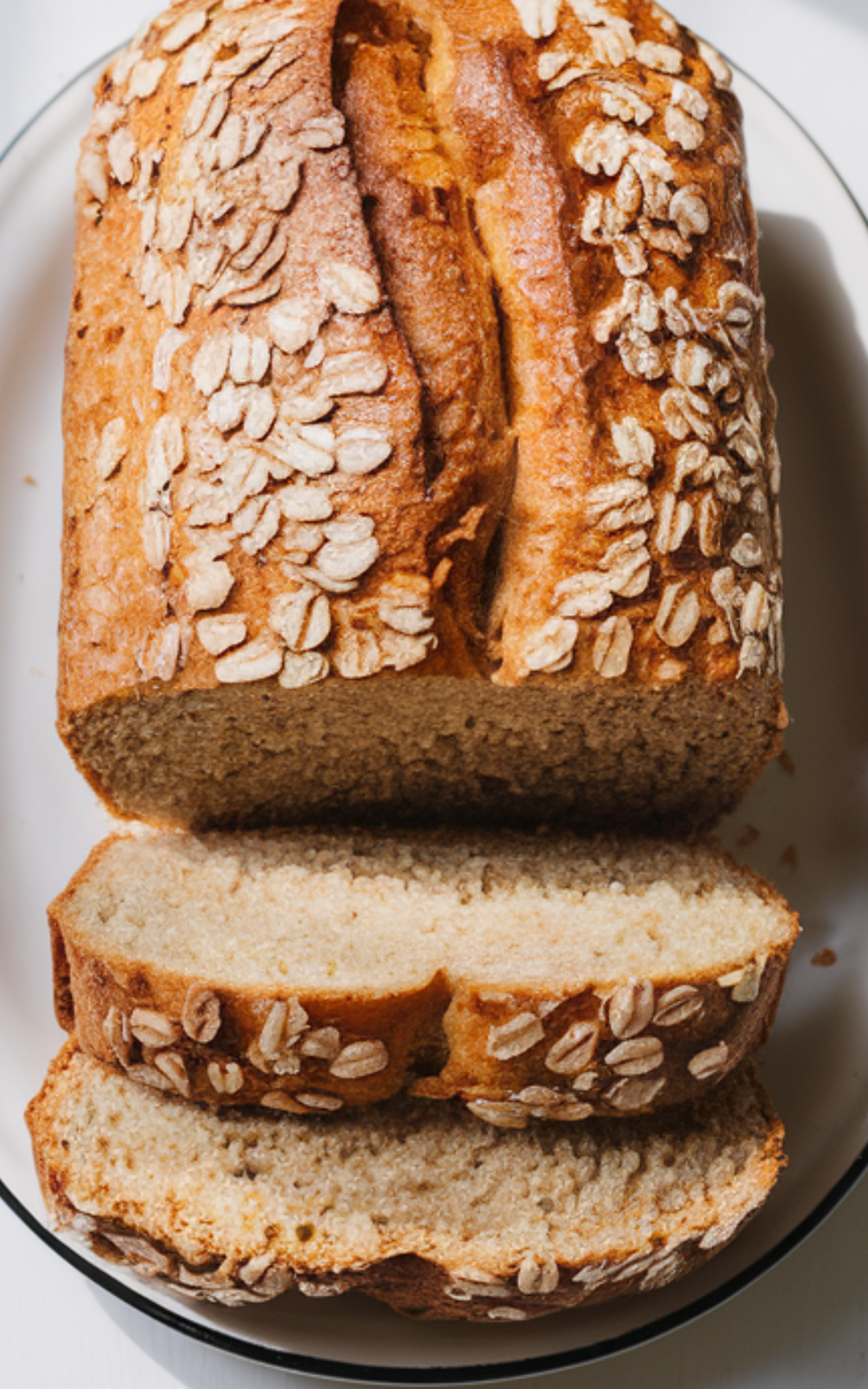
I remember the first time I baked oatmeal bread, my kitchen smelled like warm comfort, and my kids couldn’t wait to try it straight from the oven. Over the years, I’ve perfected this oatmeal bread recipe, and it’s become our go-to for quick snacks. I love slicing it for creamy lemon chicken piccata sandwiches, serving it alongside tomato basil soup, or toasting it with a smear of almond butter for an easy breakfast treat—this oatmeal bread never disappoints.
Ingredients
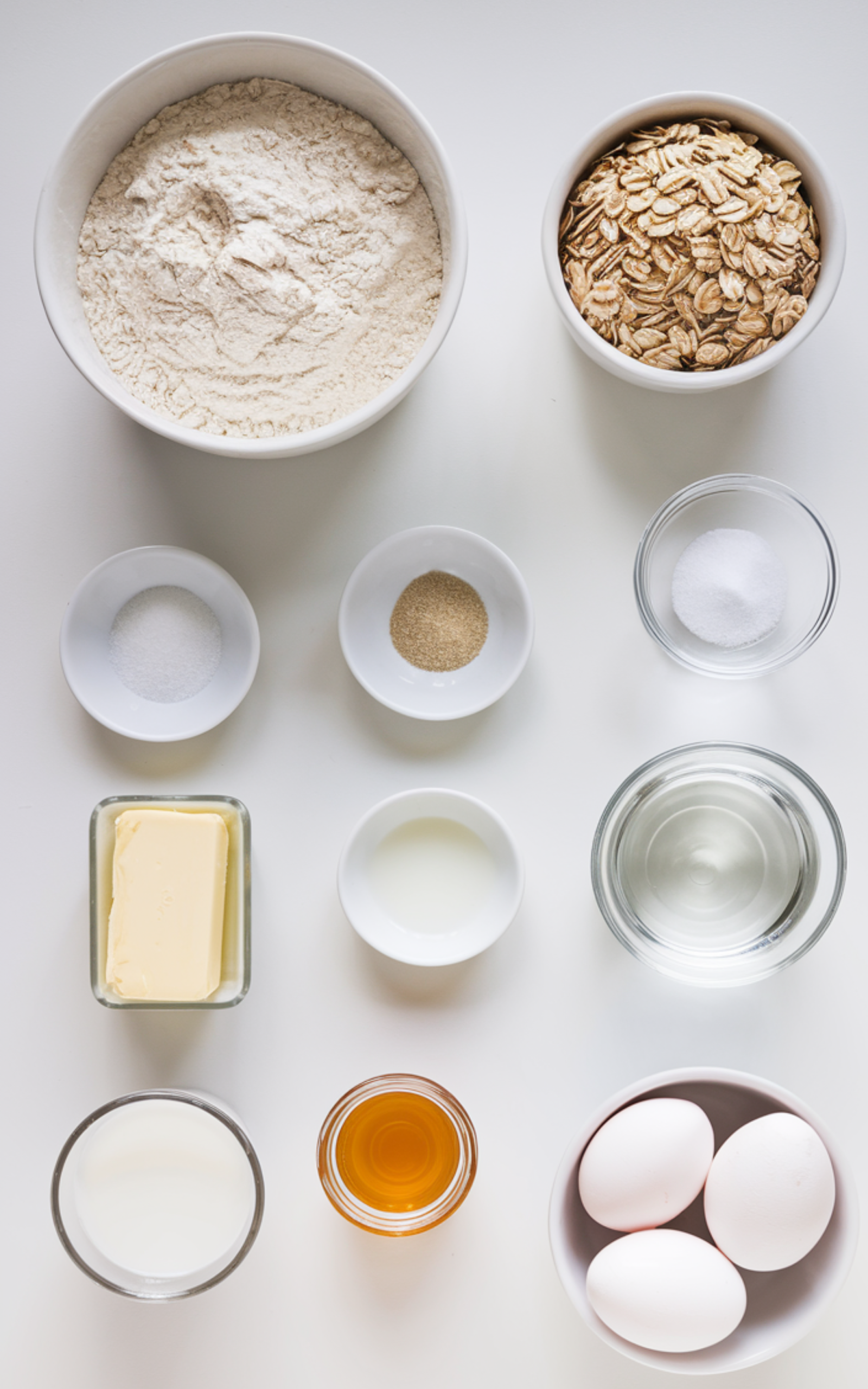
- All-purpose flour
- Rolled oats
- Instant yeast
- Granulated sugar
- Salt
- Warm water
- Unsalted butter
- Milk
- Honey
- Eggs
Ingredient Notes
- All-purpose flour: Provides structure and a tender crumb; can substitute up to 50% with whole wheat flour for a nuttier flavor.
- Rolled oats: Adds texture and subtle sweetness; can use quick oats, but avoid instant oats for the best texture.
- Instant yeast: Speeds up rising; active dry yeast can be used with extra proofing time.
- Granulated sugar: Feeds the yeast and adds sweetness; brown sugar can be used for a richer flavor.
- Salt: Enhances flavor and controls yeast activity; do not exceed the recommended amount.
- Warm water: Activates yeast; should be 105–115°F to avoid killing yeast.
- Unsalted butter: Adds moisture and tenderness; can substitute with oil for a dairy-free option.
- Milk: Enriches dough and improves browning; non-dairy milk works as a substitute.
- Honey: Adds natural sweetness and a soft crust; maple syrup can be used alternatively.
- Eggs: Provide structure and richness; can use flax egg for a vegan version.
How to Make Oatmeal Bread?
Step 1: Prepare Yeast Mixture
In a small bowl, combine warm water, honey, and a teaspoon of sugar. Sprinkle instant yeast over the top, stir lightly, and let it sit for 5–10 minutes until frothy. This ensures your yeast is active and ready for optimal rise.
Step 2: Mix Dry Ingredients
In a large mixing bowl, combine all-purpose flour, rolled oats, remaining sugar, and salt. Mix thoroughly to distribute salt evenly and prevent yeast inhibition. For extra flavor, reserve a tablespoon of oats for topping.
Step 3: Combine Wet and Dry Ingredients
Add the frothy yeast mixture, milk, softened butter, and eggs to the dry ingredients. Mix gently with a wooden spoon or dough hook until ingredients are combined. The dough will be sticky but cohesive; avoid adding too much extra flour at this stage.
Step 4: Knead the Dough
Transfer the dough to a lightly floured surface and knead for 8–10 minutes by hand, or use a stand mixer with a dough hook for 5–6 minutes. The dough should be smooth, elastic, and slightly tacky. Proper kneading develops gluten for a soft, airy texture.
Step 5: First Rise
Place the kneaded dough in a greased bowl, cover with a damp cloth or plastic wrap, and let it rise in a warm, draft-free area for 1–2 hours, or until doubled in size. Avoid rushing this step; a full rise is crucial for a tender loaf.
Step 6: Shape the Loaf
Punch down the risen dough gently to release air. Shape it into a rectangle, then roll or fold it to fit into a greased loaf pan. Smooth the top and sprinkle reserved oats for a rustic, appealing look.
Step 7: Second Rise
Cover the shaped loaf and allow it to rise for 30–45 minutes, or until slightly puffed. This shorter proof ensures a lighter texture without collapsing during baking.
Step 8: Preheat Oven
Preheat your oven to 375°F (190°C) while the dough completes its second rise. Proper oven temperature ensures even baking and a golden-brown crust.
Step 9: Bake the Bread
Bake the oatmeal bread in the preheated oven for 30–35 minutes, or until the crust is golden and the loaf sounds hollow when tapped. For a softer crust, brush the top with melted butter immediately after removing from the oven.
Step 10: Cool Properly
Remove the bread from the pan and transfer it to a wire rack. Let it cool completely before slicing to maintain structure and prevent a gummy interior. Cooling allows the crumb to set and improves flavor.
Kitchen Equipment Needed
• Large mixing bowl
• Small bowl for yeast
• Wooden spoon or stand mixer with dough hook
• Loaf pan
• Measuring cups and spoons
• Wire cooling rack
• Pastry brush (optional)
• Kitchen thermometer (optional but recommended for water temperature)
Pro Tips for Best Results
For the best oatmeal bread, always measure flour accurately using the spoon-and-level method to avoid dense loaves. Ensure yeast is fresh and water is the right temperature. Avoid over-kneading or over-proofing, which can make bread tough or collapse. Brushing the crust with butter after baking enhances flavor and keeps it soft. Use high-quality oats and fresh eggs for a richer taste.
Storage, Freezing, and Reheating
Oatmeal bread keeps well at room temperature for 2–3 days in a bread box or wrapped in a clean kitchen towel. For longer storage, slice and freeze the loaf in airtight bags for up to 3 months. Reheat slices in a toaster or warm in a 300°F oven for 5–7 minutes for a fresh-baked texture. Avoid microwaving for extended periods, as it can make the bread chewy or dry.
Recipe Variations and Substitutions
Oatmeal bread can be adapted to many tastes and dietary needs. Replace part of the flour with whole wheat for a heartier loaf, or add seeds such as sunflower, chia, or flax for extra nutrition. Swap milk for almond or oat milk for dairy-free options. For sweeter bread, mix in dried fruits like raisins or cranberries. These variations work well in US households looking for versatile, family-friendly bread recipes.
FAQ
What is the difference between oatmeal bread and regular white bread?
Oatmeal bread includes rolled oats, which add texture, subtle sweetness, and extra fiber, making it heartier than standard white bread. The oats can be incorporated into the dough and sprinkled on top for a rustic appearance.
Can I use instant oats instead of rolled oats?
Yes, but rolled oats give a better chewy texture and rustic look. Instant oats may make the crumb slightly softer and less structured.
How do I know if my bread is fully baked?
Tap the bottom of the loaf; it should sound hollow. A kitchen thermometer inserted into the center should read 190–200°F. This ensures the bread is cooked through without being gummy.
Can I make oatmeal bread without eggs?
Yes, you can replace each egg with a flax egg (1 tablespoon ground flaxseed + 3 tablespoons water). This works well for vegan or egg-free versions while maintaining moisture and structure.
How long does oatmeal bread stay fresh?
At room temperature, oatmeal bread stays fresh for 2–3 days when stored in a cool, dry place. Wrapped in airtight packaging, slices can last up to a week in the fridge, and up to 3 months frozen.
Can I add sweeteners or flavorings?
Absolutely! Honey, maple syrup, cinnamon, or even vanilla can enhance flavor. Keep in mind that extra sugar can slightly affect yeast activity and rise, so adjust yeast and proofing time as needed.
Is oatmeal bread good for sandwiches?
Yes, it has a sturdy yet tender crumb that holds fillings well. It pairs especially nicely with nut butters, cheeses, and deli meats, making it versatile for breakfast or lunch sandwiches.
oatmeal bread
Course: BreakfastCuisine: AmericanDifficulty: MediumServings
1
servingsPrep time
20
minutesCooking time
35
minutesCalories
180
kcalTotal time
55
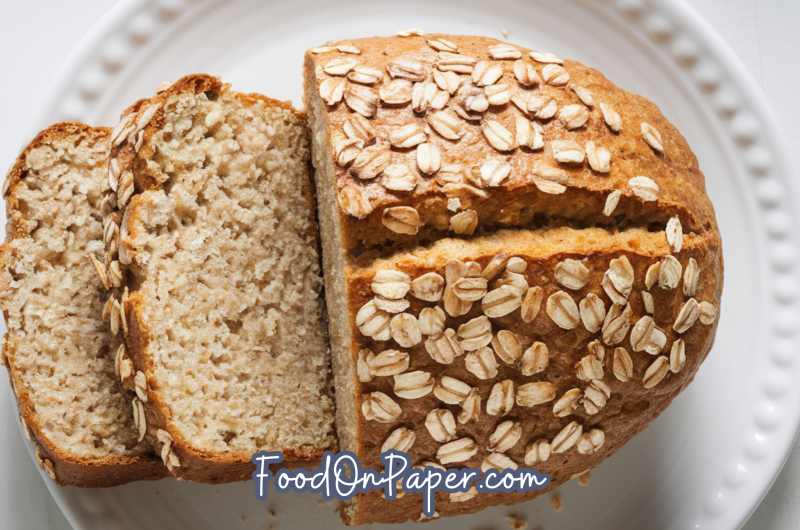
minutesOatmeal bread is a soft, slightly sweet loaf enriched with rolled oats and milk. Perfect for sandwiches, toast, or breakfast, this bread combines a tender crumb with a rustic oat topping.
Ingredients
All-purpose flour
Rolled oats
Instant yeast
Granulated sugar
Salt
Warm water
Unsalted butter
Milk
Honey
Eggs
Directions
- In a small bowl, combine warm water, honey, and a teaspoon of sugar. Sprinkle instant yeast over the top, stir lightly, and let it sit for 5–10 minutes until frothy. This ensures your yeast is active and ready for optimal rise.
- In a large mixing bowl, combine all-purpose flour, rolled oats, remaining sugar, and salt. Mix thoroughly to distribute salt evenly and prevent yeast inhibition. For extra flavor, reserve a tablespoon of oats for topping.
- Add the frothy yeast mixture, milk, softened butter, and eggs to the dry ingredients. Mix gently with a wooden spoon or dough hook until ingredients are combined. The dough will be sticky but cohesive; avoid adding too much extra flour at this stage.
- Transfer the dough to a lightly floured surface and knead for 8–10 minutes by hand, or use a stand mixer with a dough hook for 5–6 minutes. The dough should be smooth, elastic, and slightly tacky. Proper kneading develops gluten for a soft, airy texture.
- Place the kneaded dough in a greased bowl, cover with a damp cloth or plastic wrap, and let it rise in a warm, draft-free area for 1–2 hours, or until doubled in size. Avoid rushing this step; a full rise is crucial for a tender loaf.
- Punch down the risen dough gently to release air. Shape it into a rectangle, then roll or fold it to fit into a greased loaf pan. Smooth the top and sprinkle reserved oats for a rustic, appealing look.
- Cover the shaped loaf and allow it to rise for 30–45 minutes, or until slightly puffed. This shorter proof ensures a lighter texture without collapsing during baking.
- Preheat your oven to 375°F (190°C) while the dough completes its second rise. Proper oven temperature ensures even baking and a golden-brown crust.
- Bake the oatmeal bread in the preheated oven for 30–35 minutes, or until the crust is golden and the loaf sounds hollow when tapped. For a softer crust, brush the top with melted butter immediately after removing from the oven.
- Remove the bread from the pan and transfer it to a wire rack. Let it cool completely before slicing to maintain structure and prevent a gummy interior. Cooling allows the crumb to set and improves flavor.